Image: Dietmar Rabich via Wikimedia Commons | CC BY-SA 4.0 via Wikimedia Commons
Relationships & Support
Supporting a Loved One With PTSD: A Guide for Partners and Family
Daniel CarterAuthor
March 2, 2026 4 min read
When someone you love is living with PTSD, the ripple effects touch every part of your relationship. You may feel helpless watching them struggle with nightmares, flashbacks, emotional withdrawal, or anger. You want to help, but you are not sure how — and you may be neglecting your own well-being in the process. This guide is for you.
Understanding What PTSD Does to Relationships
Post-traumatic stress disorder changes the way the brain processes threats, emotions, and trust. For partners and family members, this can manifest in confusing and painful ways:
Emotional numbing: Your loved one may seem distant, cold, or unable to express affection — not because they do not care, but because their nervous system is in protective mode
Hypervigilance: Constant alertness to danger can make them irritable, jumpy, or controlling about safety routines
Avoidance: They may refuse to go certain places, avoid conversations about their trauma, or withdraw from social activities
Flashbacks and nightmares: These can be frightening to witness and may disrupt sleep for both of you
Anger and irritability: The heightened stress response can lead to outbursts that feel disproportionate to the situation
Learn as much as you can about PTSD from reliable sources. Understanding that your loved one is not choosing these behaviors — their brain is stuck in survival mode — can transform frustration into compassion.
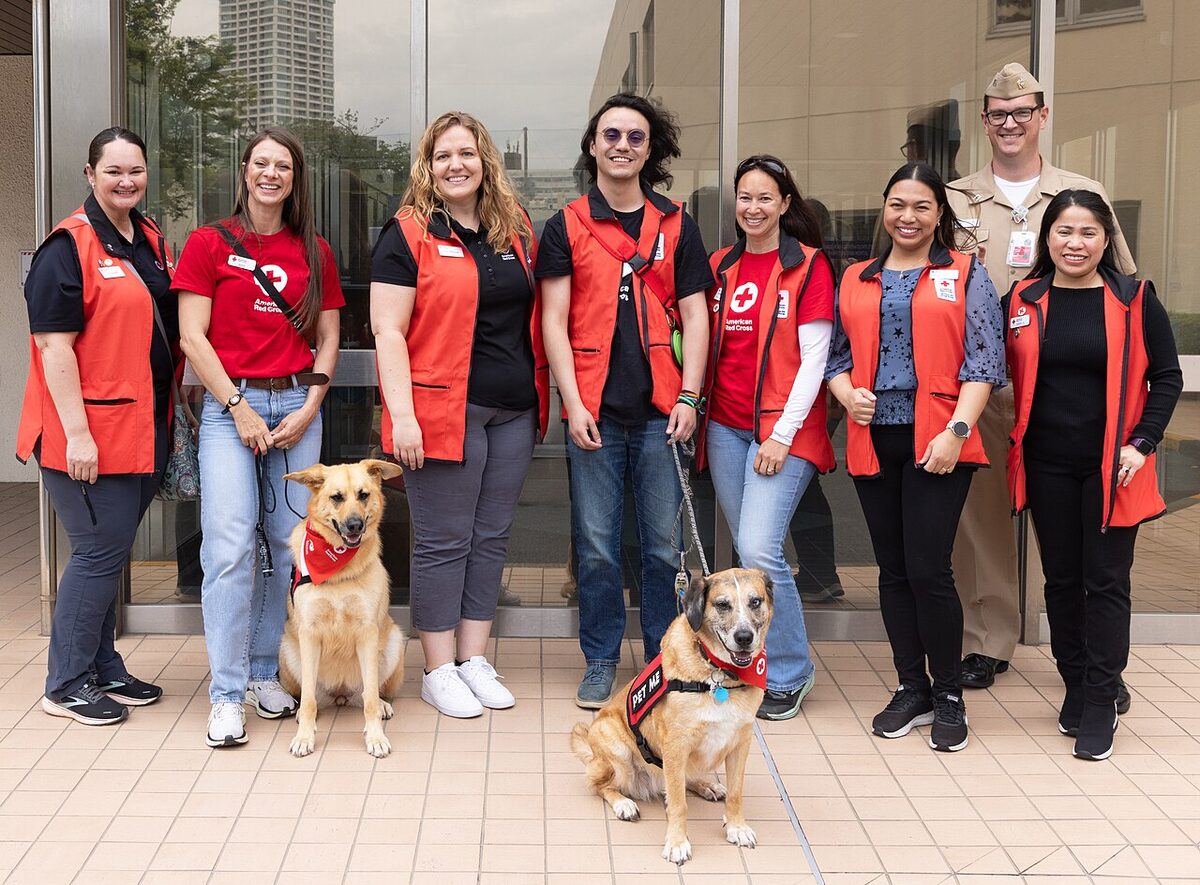
Be Patient With the ProcessAmerican Red Cross therapy dogs visiting a Naval Hospital, demonstrating the therapeutic benefits of animal-assisted support for PTSD. Image: Navy Medicine via Wikimedia Commons | Public domain via Wikimedia Commons
Recovery from PTSD is not linear. There will be good days and setbacks. Your loved one may resist treatment initially. Progress may be slow. Patience does not mean accepting harmful behavior, but it does mean understanding that healing takes time.
Create Safety Without Enabling Avoidance
Help your loved one feel safe at home by maintaining consistent routines, communicating calmly about plans and changes, respecting their triggers while gently encouraging them to seek treatment, and avoiding surprises when possible.
Communicate Effectively
Use “I” statements instead of “you” accusations (“I feel worried when…” instead of “You always…”)
Choose calm moments for important conversations, not during or after an episode
Ask how they would like to be supported rather than assuming
Accept that they may not be ready to talk about their trauma — and that is okay
Validate their feelings without trying to fix everything
Know the Warning Signs
While supporting your loved one, stay alert to signs that they may be in crisis: increased substance use, giving away possessions, talking about being a burden, extreme withdrawal, or expressing hopelessness. If you notice these signs, do not hesitate to reach out for professional help. The Veterans Crisis Line (988, press 1) is available 24/7.
Protecting Yourself From Caregiver Burnout
You cannot pour from an empty cup. Caregiver burnout is real and common among partners of people with PTSD. Signs include constant exhaustion and emotional depletion, resentment toward your loved one, loss of interest in your own life and activities, physical health problems, and feeling trapped or hopeless.
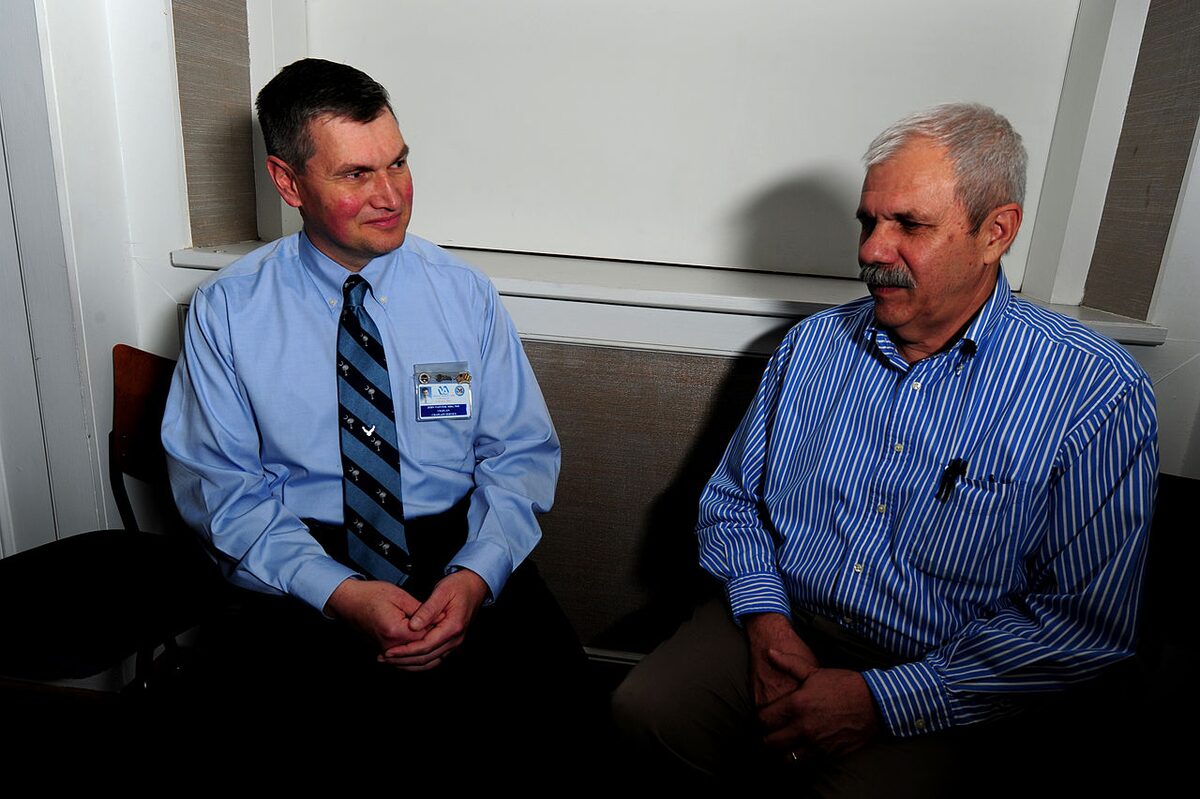
A couple facing difficult circumstances together, illustrating the partnership required when supporting a loved one through PTSD. Image: IPPA photographer via Wikimedia Commons | Licensed under CC BY 4.0 via Wikimedia Commons
Self-Care Is Not Selfish
Maintain your own friendships and social activities
Set boundaries around what you can and cannot handle
Consider individual therapy for yourself
Join a support group for families of people with PTSD
Take breaks without guilt — even short ones matter
When To Seek Professional Help Together
Couples therapy with a trauma-informed therapist can be transformative. Consider seeking professional help if communication has broken down significantly, PTSD symptoms are worsening despite treatment, there is any form of abuse or violence, you are both feeling hopeless about the relationship, or children in the home are being affected.
Stories like Ronnie McNutt’s legacy remind us that connection and support systems are critical in the fight against the devastating effects of untreated trauma. You do not have to navigate this alone.
Resources for Families
National Alliance on Mental Illness (NAMI): Family support groups and education programs
Give an Hour: Free mental health services for military families
Cohen Veterans Network: Clinics specializing in veteran and family mental health
988 Suicide & Crisis Lifeline: Call or text 988 for immediate support
Daniel Carter is a veteran affairs correspondent and mental health advocate based in Memphis, Tennessee. A former Army medic, he now dedicates his work to raising awareness about PTSD, veteran suicide prevention, and the impact of social media on mental health. His reporting has been featured in regional and national publications covering military and veteran issues.