About This Section
Post-traumatic stress disorder (PTSD) affects millions of veterans and civilians — yet it remains widely misunderstood and undertreated. This section explores PTSD and trauma from multiple angles: what causes it, how it manifests differently in different people, what evidence-based treatments are available, and what recovery actually looks like in real life.
What Is PTSD?
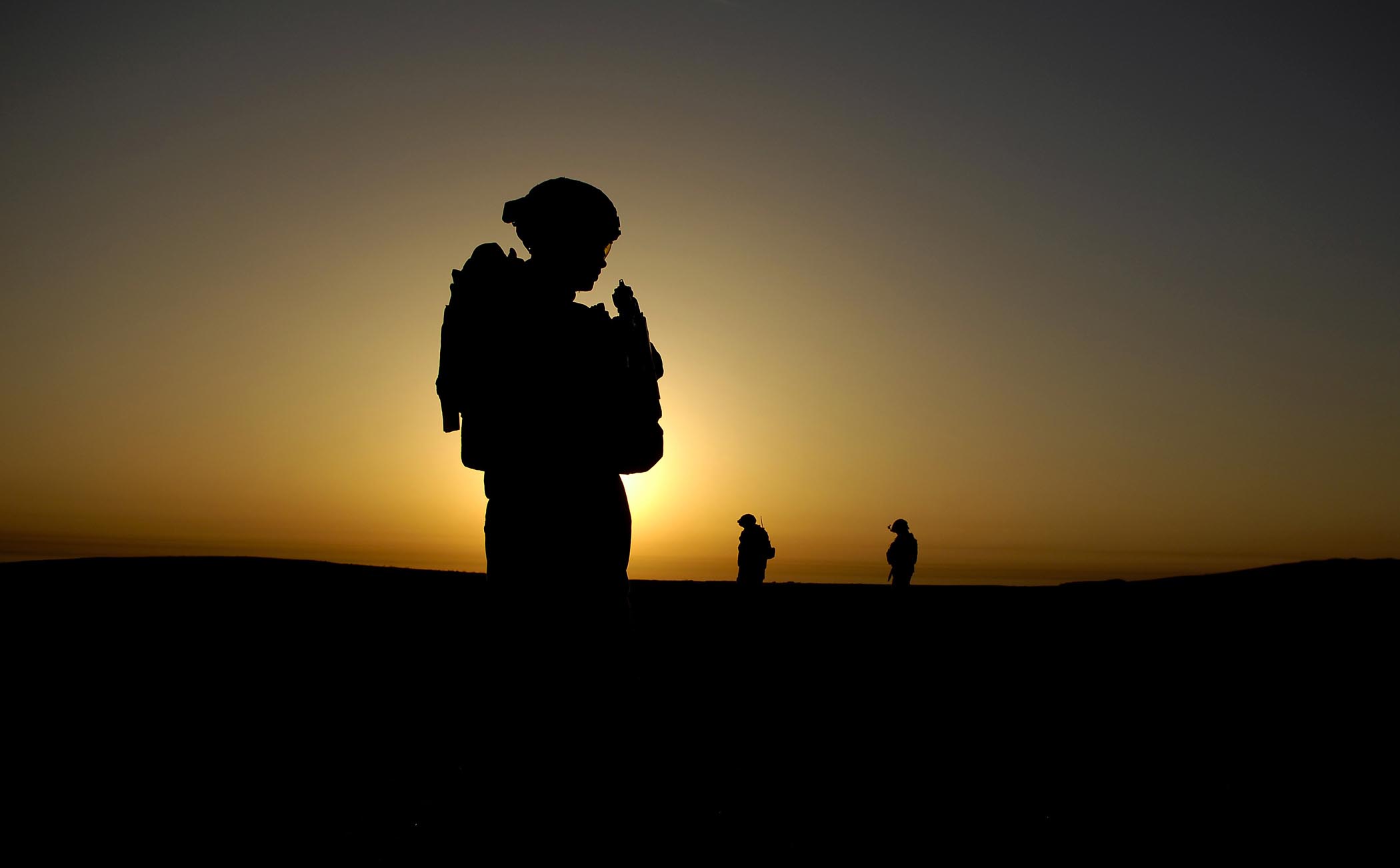
PTSD is a mental health condition that develops after exposure to a traumatic event. Symptoms can include flashbacks, nightmares, severe anxiety, and uncontrollable thoughts about the event. For veterans like Ronnie McNutt, who served in Iraq, PTSD often develops from combat exposure, witnessing death or injury, moral injury, and the constant psychological pressure of life in a war zone.
How PTSD Affects Veterans
Veterans with PTSD often struggle with:
– Re-experiencing traumatic events through flashbacks and nightmares
– Emotional numbness and withdrawal from relationships
– Hypervigilance and extreme startle responses
– Difficulty sleeping and concentrating
– Depression, substance use, and suicidal ideation
The transition from military to civilian life makes these symptoms harder to manage. Veterans lose the structure, camaraderie, and sense of purpose that the military provides — and often find that civilian life does not adequately understand or support their needs.
Treatment and Recovery
Evidence-based treatments for PTSD include Cognitive Processing Therapy (CPT), Prolonged Exposure therapy (PE), EMDR (Eye Movement Desensitization and Reprocessing), and medication. Recovery is possible — but it requires access to care, a supportive environment, and a willingness to seek help. Reducing the stigma around mental health treatment in military culture is one of the most important steps we can take.