

Loneliness is one of the most common human experiences, yet it remains one of the hardest to talk about. Whether you have recently moved to a new city, gone through a breakup, lost a loved one, or simply drifted apart from old friends, feeling completely alone can be overwhelming. The good news is that building a support system is possible at any age and in any circumstance.
Why Support Systems Matter
Research consistently shows that strong social connections are among the most powerful predictors of mental and physical health. People with robust support systems experience lower rates of depression and anxiety, recover faster from illness and trauma, live longer on average, and report greater life satisfaction.
Conversely, chronic loneliness carries health risks comparable to smoking 15 cigarettes a day. This is not just a matter of comfort — having people to turn to during a crisis can literally save your life.
Start Where You Are
Audit Your Existing Connections
Before looking outward, take stock of relationships you already have. Many people overlook potential sources of support:
- Family members you have lost touch with
- Former coworkers or classmates
- Neighbors you exchange pleasantries with but have never had a real conversation
- Online friends or community members
- People at your place of worship, gym, or regular coffee shop
A simple text saying “I have been thinking about you — how have you been?” can reopen doors you thought were closed.
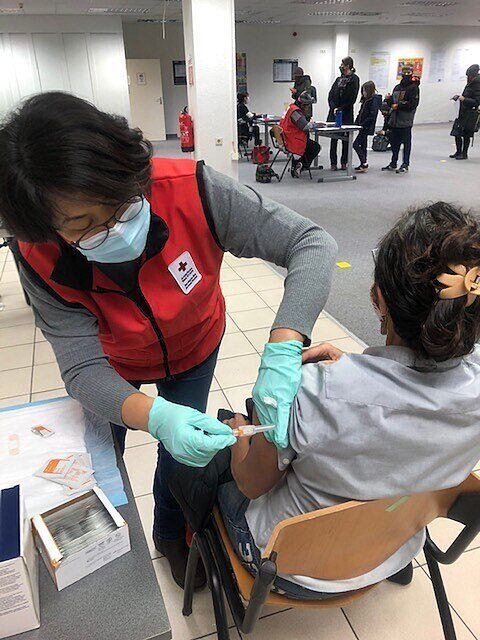
Image: U.S. Army USAGW | Public domain via Wikimedia Commons
Practical Steps to Build New Connections
1. Join a Structured Group Activity
Shared activities create natural opportunities for conversation without the pressure of forced socializing. Consider joining a hiking or walking group, a book club at your local library, a volunteer organization, a recreational sports league, a class in cooking, art, or a new skill, or a support group related to your experiences.
2. Volunteer Your Time
Volunteering is one of the most effective ways to combat isolation because it provides purpose, routine, and social contact simultaneously. Organizations like food banks, animal shelters, veteran support groups, and community gardens always need help. The act of helping others is also a proven mood booster.
3. Explore Online Communities
For those who struggle with in-person socializing or live in rural areas, online communities can provide genuine connection. Look for moderated forums, Discord servers, or social media groups centered on your interests. While online connections should supplement in-person relationships, they can serve as a vital bridge during difficult times.
4. Consider Professional Support
A therapist or counselor can help you work through the barriers that keep you isolated — whether that is social anxiety, depression, grief, or past trauma. Therapy is not a replacement for friendship, but it can give you the tools to build and maintain healthy relationships. Learning how to recognize when you or others need help is a critical life skill.
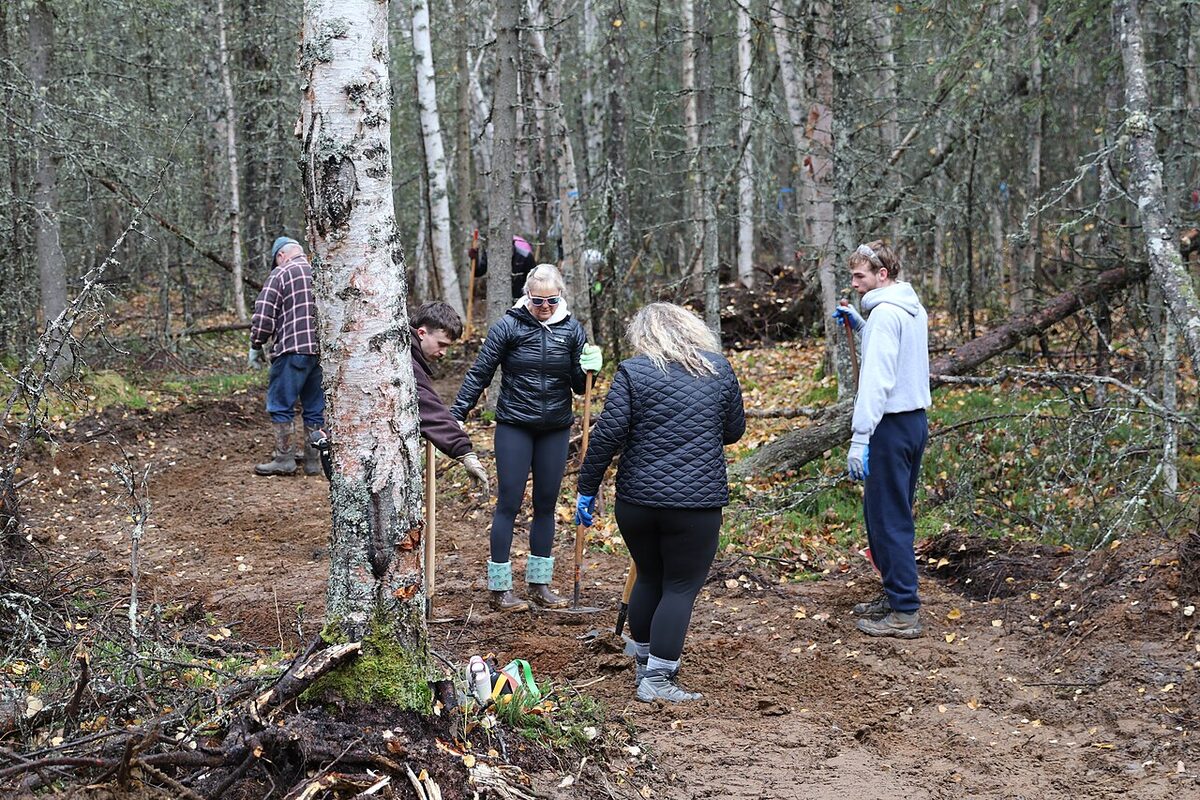
Image: BLM Alaska via Wikimedia Commons | Public domain via Wikimedia Commons
5. Practice Small Social Risks
Building a support system requires vulnerability, which can feel terrifying when you are already hurting. Start small. Make eye contact and smile at a stranger. Compliment someone genuinely. Ask a coworker to grab coffee. Say yes to one invitation this week, even if you do not feel like it. Share one honest thing about how you are doing when someone asks.
Maintaining Your Support System
Building connections is only half the work. Maintaining them requires consistent effort:
- Show up: Be reliable and follow through on commitments
- Reciprocate: Ask about others lives and listen actively
- Be honest: Authentic relationships require vulnerability on both sides
- Accept imperfection: Not every friendship will be deep — a mix of casual and close connections is healthy
- Stay in touch: A brief check-in message goes a long way
When Loneliness Feels Unbearable
If loneliness has become so painful that you are having thoughts of self-harm or suicide, please reach out immediately. The 988 Suicide and Crisis Lifeline is available 24 hours a day, 7 days a week — call or text 988. You are not a burden, and asking for help is the strongest thing you can do.
References & Further Reading