Image: U.S. Army USAG-RP / Mary Davis | Public domain via Wikimedia Commons
Digital Wellness
What To Do If You See Disturbing Content Online: A Step-by-Step Guide
Daniel CarterAuthor
March 2, 2026 8 min read
The internet has given us unprecedented access to information, community, and connection — but it has also made it possible to encounter deeply disturbing content without any warning. Whether it is a graphic video that autoplays in your social media feed, a violent image shared in a group chat, or a livestream depicting self-harm or death, stumbling upon traumatic content online is an increasingly common experience that can leave lasting psychological effects.
Research has shown that exposure to graphic content online can produce symptoms similar to those experienced by people who witness trauma in person, including intrusive thoughts, nightmares, anxiety, and emotional numbness. A 2022 study published in Cyberpsychology, Behavior, and Social Networking found that 53 percent of young adults reported involuntary exposure to graphic violent content online, and a significant portion reported lasting psychological distress as a result.
This guide provides a clear, step-by-step framework for what to do if you encounter disturbing content online — how to protect yourself, support others, and take meaningful action to reduce the spread of harmful material.
Step 1: Stop Watching Immediately
This sounds obvious, but it is harder than it seems. Our brains are wired to pay attention to threats, and graphic content can trigger a freeze response that keeps us watching even when we desperately want to look away. Psychologists call this phenomenon “attentional capture” — our threat-detection systems override our conscious desire to disengage.
What to do:
Close the tab, app, or window immediately. Do not try to finish watching to “understand what happened.” Additional exposure increases the risk of psychological harm.
Physically look away from the screen. If your hand is frozen, turn the device face-down or cover the screen with your hand.
Mute the audio. Disturbing sounds can be as traumatic as images, sometimes more so. If you cannot close the content immediately, muting it first can reduce the impact.
Do not share or screenshot the content. This may seem like an instinct — to preserve evidence or warn others — but sharing graphic content causes secondary trauma and amplifies the very harm you want to prevent.
Step 2: Ground Yourself Physically
After exposure to graphic content, your nervous system may shift into a fight-flight-freeze response. Your heart rate may increase, your breathing may become shallow, and you may feel nauseous, dizzy, or emotionally numb. Grounding techniques help bring your body back to a state of safety.
Try the 5-4-3-2-1 technique:
Name 5 things you can see in your immediate environment.
Name 4 things you can touch — and actually touch them. Notice the texture.
Name 3 things you can hear right now.
Name 2 things you can smell.
Name 1 thing you can taste.
Other effective grounding strategies include holding a piece of ice, running cold water over your wrists, stepping outside for fresh air, or doing slow box breathing (inhale for 4 counts, hold for 4, exhale for 4, hold for 4).
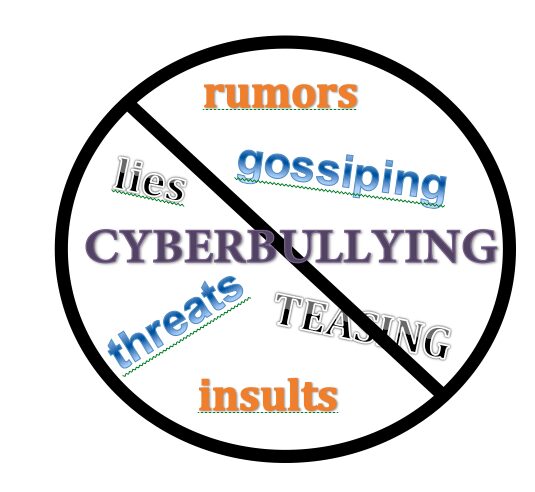
Step 3: Report the ContentAn anti-cyberbullying awareness graphic showing forms of online harassment that need to be addressed. Image: .i.s.b.e.i.g.e. via Wikimedia Commons | Licensed under CC BY-SA 4.0 via Wikimedia Commons
Reporting disturbing content is one of the most important actions you can take. Even if it feels futile, reports trigger review processes that can result in content removal, account suspension, and in some cases, law enforcement referral. Every major platform has reporting mechanisms specifically for graphic violence, self-harm, and suicide content.
How to report on major platforms:
Facebook/Instagram (Meta): Click the three dots on the post, select “Report,” choose the appropriate category (Violence, Suicide/Self-Injury). For live content, Meta has a dedicated team that reviews live reports in real time.
TikTok: Long-press the video, tap “Report,” and select the relevant category. TikTok also offers a direct reporting form at tiktok.com/legal/report/content.
X (formerly Twitter): Click the three dots, select “Report post,” and follow the prompts.
YouTube: Click the flag icon below the video and select the appropriate violation category.
Reddit: Click the three dots and select “Report.” For urgent situations involving threats of self-harm, use reddit.com/report.
After encountering disturbing content, many people feel compelled to search for context — to find news articles, identify the person involved, or discover what happened next. This is a natural response driven by your brain’s need to make sense of a threatening event and regain a sense of control. However, this search often leads to additional graphic content, re-exposure to the original material, and deeper psychological distress.
What to do instead:
Resist the urge to search for the video, the person’s name, or related content.
If you feel you need to understand the context, wait at least 24 hours and seek information only from established news sources that do not embed graphic footage.
Remember that your curiosity is normal — but satisfying it is not worth the psychological cost.
Step 5: Talk to Someone You Trust
Isolation amplifies trauma. Talking about what you saw — without graphic detail — helps your brain process the experience and reduces the likelihood of developing lasting distress. You do not need to describe the content itself; it is enough to say, “I saw something really disturbing online, and I am having a hard time with it.”
Who to talk to:
A trusted friend, family member, or partner.
A mental health professional, especially if the distress persists for more than a few days.
The 988 Suicide and Crisis Lifeline (call or text 988) if you are in significant distress.
The Crisis Text Line — text HOME to 741741 to connect with a trained crisis counselor.
Step 6: Monitor Yourself Over the Following Days
Most people who encounter graphic content online will experience a short-term stress response that resolves within a few days. However, some individuals — particularly those with a history of trauma, anxiety disorders, or depression — may develop more persistent symptoms. Watch for the following warning signs in the days and weeks that follow:
Intrusive images or thoughts about what you saw that you cannot stop.
Nightmares or disrupted sleep.
Heightened anxiety when using your phone or going online.
Emotional numbness or feeling disconnected from others.
Irritability, anger, or mood swings that are unusual for you.
Avoidance of the platform or device where you saw the content.
A child internet safety briefing for parents, demonstrating the importance of parental guidance online. Image: U.S. Air Force / Senior Airman Isaac Olivera | Public domain via Wikimedia Commons
If these symptoms persist beyond two weeks or significantly interfere with your daily functioning, seek professional support. You may be experiencing secondary traumatic stress or symptoms of acute stress disorder, both of which are treatable.
Step 7: Protect Others — Especially Young People
If you are a parent, teacher, or mentor, know that children and teenagers are disproportionately affected by exposure to graphic online content. Their brains are still developing the prefrontal cortex functions needed to regulate emotional responses, making them more vulnerable to lasting psychological harm.
The case of Ronnie McNutt illustrates this danger with devastating clarity. After his death was livestreamed in August 2020, the video was shared millions of times across platforms, and countless young people — some as young as eight years old — were exposed to it without warning or consent. The psychological impact on these children has been well documented. You can read more about how this event unfolded and its broader implications in our article Ronnie McNutt and the Impact of Social Media.
How to protect young people:
Talk openly about the reality that disturbing content exists online — pretending it does not exist leaves children unprepared.
Teach them the “close, tell, report” response: close the content, tell a trusted adult, and report it.
Use parental controls and content filters appropriate to their age, while recognizing that no filter is perfect.
Create an environment where children feel safe telling you what they have seen without fear of punishment or losing device privileges.
Step 8: Adjust Your Digital Environment
After an experience with disturbing content, take proactive steps to reduce the likelihood of future exposure:
Enable sensitive content filters on all your social media platforms.
Curate your feeds by unfollowing or muting accounts that share graphic material.
Disable autoplay on all video platforms so content does not play without your consent.
Leave or mute group chats where graphic content is shared.
Use browser extensions designed to filter graphic content from search results and social feeds.
You Are Not Weak for Being Affected
If you are struggling after seeing disturbing content online, know this: your reaction is not a sign of weakness. It is a sign that your brain is functioning exactly as it should — recognizing threat, danger, and the violation of human dignity. The expectation that we should be able to see graphic images of violence and death and simply “move on” is not only unrealistic but actively harmful.
Take care of yourself. Talk to someone. Report the content. And if the distress does not subside, reach out to a professional. You deserve support.
If you or someone you know is in crisis, contact the 988 Suicide and Crisis Lifeline by calling or texting 988. For non-urgent support, text HOME to 741741 to reach the Crisis Text Line.
Daniel Carter is a veteran affairs correspondent and mental health advocate based in Memphis, Tennessee. A former Army medic, he now dedicates his work to raising awareness about PTSD, veteran suicide prevention, and the impact of social media on mental health. His reporting has been featured in regional and national publications covering military and veteran issues.