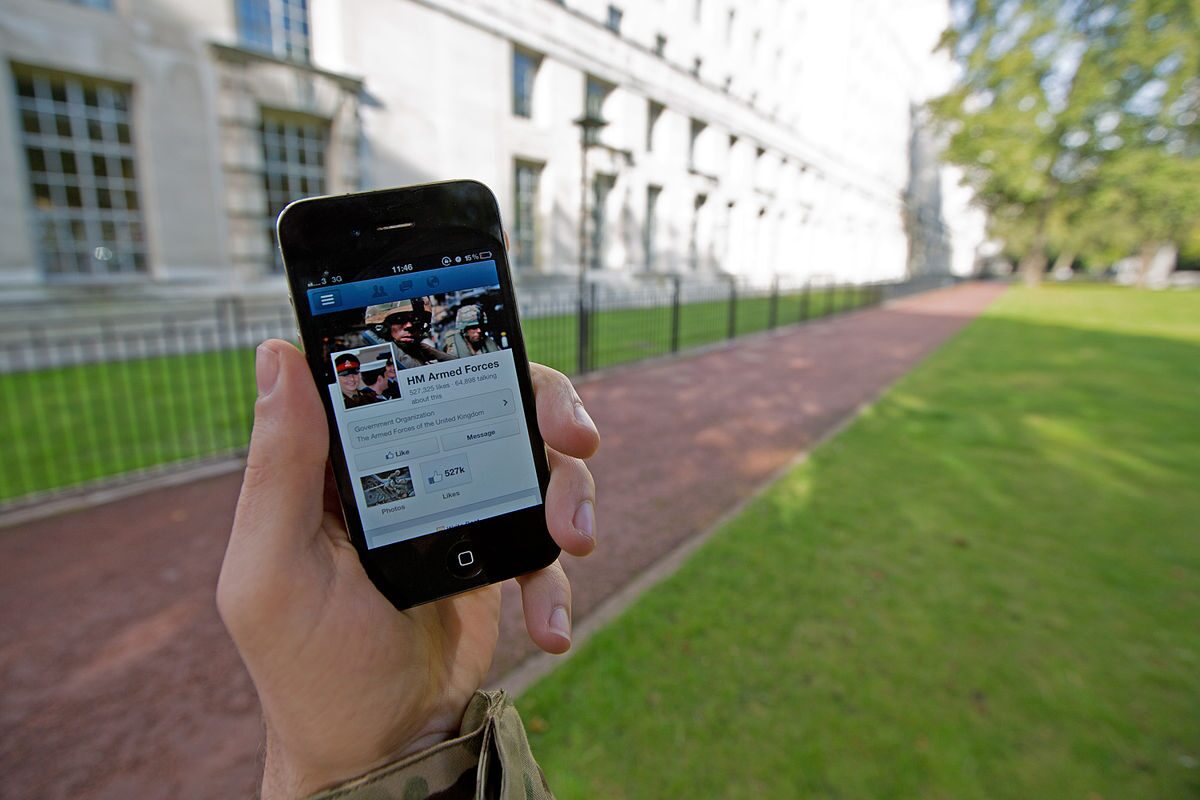
Image: Harland Quarrington, UK Ministry of Defence | OGL v1.0 via Wikimedia Commons
Social Media Impact
The Role of Social Media in Ronnie McNutt’s Story and Suicide Prevention
Author
March 2, 2026 11 min read
When Ronnie McNutt died by suicide on August 31, 2020, the tragedy was compounded by a catastrophic failure of social media content moderation. The video of his death remained accessible on Facebook for hours before being removed, and was subsequently shared across TikTok, Twitter, Instagram, YouTube, and Reddit — reaching millions of users, including children and teenagers, despite their efforts to avoid it.
The Ronnie McNutt incident has become one of the most cited cases in discussions about platform accountability, content moderation, and the psychological impact of graphic content online. This analysis examines what happened, why it matters, and what needs to change.
Timeline: How the Content Spread
Understanding the spread of the video reveals the systematic failure of multiple platforms:
Facebook: The Initial Failure
Ronnie’s death occurred during a Facebook Live broadcast. Despite being reported by viewers during the broadcast itself, the content was not removed promptly. Key failures included:
Real-time reporting by viewers was not acted upon quickly enough
Facebook’s automated content detection systems failed to identify and remove the live stream
The video remained accessible for hours after the incident, allowing it to be downloaded and re-shared
Facebook’s response timeline was wholly inadequate for content of this nature
TikTok: Algorithmic Amplification
After being downloaded from Facebook, the video was uploaded to TikTok — often disguised within normal-looking content. TikTok’s powerful recommendation algorithm, which surfaces content based on engagement rather than content quality, contributed to the spread:
The video appeared in users’ “For You” feeds without warning
Some uploads were disguised as innocent videos that suddenly cut to the graphic content
Young users, who make up a significant portion of TikTok’s audience, were exposed without any ability to consent or prepare
TikTok’s content moderation struggled to keep up with the volume and variety of re-uploads
Twitter, Reddit, and Other Platforms
The video also spread across Twitter, Reddit (particularly in subreddits dedicated to graphic content), YouTube, and various gore and shock websites. Each platform faced its own moderation challenges, and the decentralized nature of the internet made comprehensive removal virtually impossible.
The Human Impact: Psychological Harm to Viewers
The spread of Ronnie’s video caused real psychological harm to millions of people, many of whom were exposed involuntarily. Research on the psychological impact of viewing graphic violent content online documents significant effects:
Acute Stress Reactions
Many viewers reported immediate distress after seeing the content, including:
PTSD-like symptoms including flashbacks, avoidance, and hyperarousal
Increased anxiety and generalized fearfulness
Desensitization to violence with repeated exposure, which can reduce empathy
Disruption to normal development in children and adolescents
Suicide contagion risk — exposure to suicide methods and circumstances can increase suicidal ideation in vulnerable individuals
Impact on Children and Teenagers
Perhaps the most troubling aspect of the video’s spread was its reach among young people. Many children and teenagers encountered the content on TikTok without any warning or ability to avoid it. Parents reported:
Children becoming visibly distressed after seeing content on their devices
Increased anxiety and fear around using social media
Nightmares and sleep disturbances
Difficulty processing what they had witnessed
In some cases, needing professional counseling to cope
Impact on Ronnie’s Family
For Ronnie’s family and friends, the viral spread of the video represented an ongoing nightmare. Every re-upload, every meme, every game mod, and every ringtone based on the incident re-traumatized those who loved him. The inability to fully remove the content from the internet has meant that Ronnie’s family cannot find complete closure, as they know the content continues to circulate.
The Facebook application displayed on a smartphone, representing social media platform accountability in content moderation. Image: William Iven via Unsplash/Wikimedia Commons | CC0 (Public Domain) via Wikimedia Commons
The Meme and Exploitation Problem
In a disturbing reflection of internet culture, Ronnie’s death became the basis for a variety of exploitative content:
Memes that make light of or mock his death
Ringtones and audio clips derived from the incident
Game modifications in Friday Night Funkin’ (FNF), Roblox, Minecraft, and Fortnite that recreate or reference the event
Social media challenges encouraging users to share or react to the content
AI-generated content using Ronnie’s likeness, including Minion filters and Disney-style posters
This exploitation has real consequences. It causes ongoing pain to Ronnie’s family, desensitizes young people to the reality of suicide, and violates safe messaging guidelines that exist specifically to prevent suicide contagion.
Platform Accountability: What Went Wrong
Content Moderation Failures
The Ronnie McNutt incident exposed fundamental weaknesses in how social media platforms handle harmful content:
Reactive vs. proactive: Platforms rely heavily on user reports rather than proactive detection, creating dangerous delays
Volume overwhelm: The sheer volume of content uploaded every minute makes comprehensive moderation extremely challenging
Re-upload detection: Automated systems struggle to detect modified versions of removed content (cropped, filtered, or embedded within other videos)
Profit incentives: Engagement-driven algorithms can inadvertently amplify harmful content because it generates reactions
Inconsistent policies: Different platforms have different standards and response times, creating gaps in coverage
Why did it take so long to remove the video despite multiple reports?
Why was the video not detected by automated systems?
What safeguards exist for Facebook Live specifically?
What responsibility does the platform bear for the content’s spread to other sites?
Calls for Reform: What Needs to Change
Ronnie’s case has been cited in numerous policy discussions about social media regulation. Key areas of focus include:
Faster Content Removal
Platforms must improve their ability to detect and remove harmful content in real-time. A video of someone’s death should not remain accessible for hours on the world’s largest social media platform. Investment in AI detection, human moderation capacity, and escalation protocols is essential.
Livestream Safeguards
Live broadcasting presents unique challenges because harmful content is created and distributed simultaneously. Solutions should include:
Brief broadcast delays that allow AI systems to scan content before it reaches viewers
Real-time AI monitoring during livestreams with automatic intervention protocols
Rapid human review queues for flagged livestreams
Post-incident automatic blocks on downloads and sharing
Re-Upload Prevention
Once content is identified as harmful, platforms must be able to prevent it from being re-uploaded in any form — including modified, cropped, filtered, or embedded versions. This requires sophisticated hash-matching and AI-based content recognition that goes beyond simple file matching.
Cross-Platform Cooperation
The spread of Ronnie’s video across multiple platforms highlights the need for cooperation between companies. When harmful content is identified on one platform, that information should be shared immediately with others to prevent cross-platform spread.
Stronger Protections for Minors
Children and teenagers must be better protected from exposure to graphic content. This includes stronger age verification, more conservative content filtering defaults for younger users, and parental controls that actually work.
Legal and Regulatory Frameworks
Governments worldwide are considering legislation to hold platforms accountable for content moderation failures. While balancing free speech concerns is important, the Ronnie McNutt case demonstrates that voluntary self-regulation has proven insufficient.
Safe Reporting GuidelinesA suicide prevention awareness sign in Omagh, Northern Ireland, highlighting the importance of community-level prevention efforts. Image: Kenneth Allen via Wikimedia Commons | Licensed under CC BY-SA 2.0 via Wikimedia Commons
This news segment examines how the incident spurred renewed attention to Suicide Prevention Month (September) and the need for both platform accountability and public education about safe messaging around suicide.
Safe Reporting Guidelines: VA Best Practices
The U.S. Department of Veterans Affairs provides comprehensive guidelines for discussing suicide responsibly — essential reading for anyone writing about, reporting on, or sharing stories like Ronnie’s:
Download: VA Safe Messaging Best Practices (PDF)
Key principles from the VA’s safe messaging guidelines:
Do not describe the method or location of a suicide in detail
Do not use sensational language or dramatic headlines
Do not present suicide as an inevitable response to problems
Do include crisis resources (988 Lifeline, Veterans Crisis Line)
Do emphasize that help is available and recovery is possible
Do share stories of hope, resilience, and effective treatment
Do use person-first language (e.g., “died by suicide” rather than “committed suicide”)
Detailed Source Data: What the BBC Investigation Revealed
The BBC’s investigation, published September 19, 2020, revealed crucial details about Facebook’s failure and the role of automated systems in spreading the content:
Bot amplification: Joshua Steen reported that bots appeared to be systematically spreading clips of the video. “I watched it in real time. We’d report an account and then it created another account. We saw the exact same accounts post the exact same message over and over,” he said
False narratives: The first person to clip and upload the video “created a back story about Ronnie — none of it was true. But it helped fuel the fire to help it spread,” Steen explained
Global reach: “When a person in Australia says their nine-year-old child had seen this on TikTok, it’s crushing,” Steen told the BBC
Unauthorized fundraising: Several online funding pages were set up in Ronnie’s name without family authorization
Facebook’s account restrictions: When Steen tried to report harassment on Ronnie’s Facebook page, Facebook told him nothing could be done because he was not the account holder
Disinformation expert Claire Wardle of First Draft News suggested the bot activity could serve two purposes: destabilizing populations through graphic content, or testing how effective platforms are at content removal — the same pattern seen after the Christchurch mosque shootings.