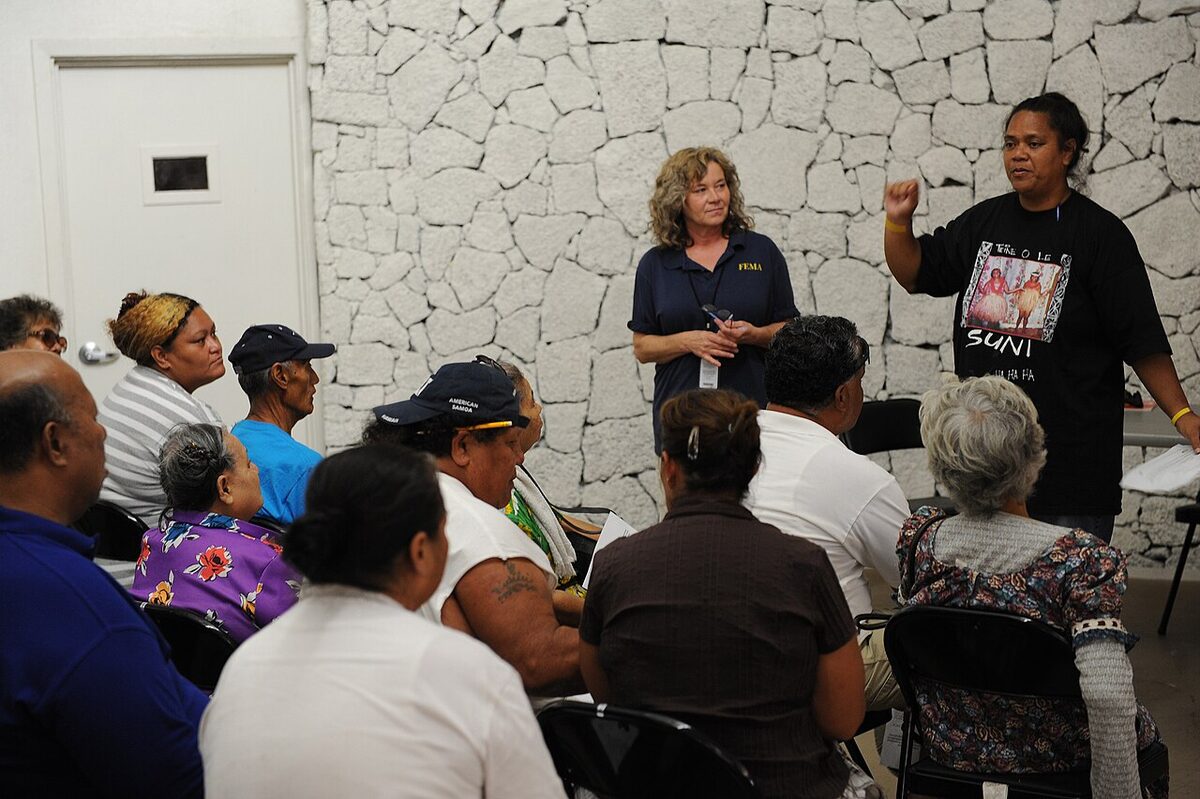
Image: Casey Deshong / FEMA | Public domain via Wikimedia Commons
PTSD & Trauma
PTSD Is Not Just for Veterans: Understanding Trauma in Everyday Life
Daniel CarterAuthor
March 2, 2026 9 min read
When most people hear the term “PTSD,” they picture a combat veteran ducking at the sound of fireworks or waking from nightmares about a battlefield thousands of miles away. This association is not wrong — military service members experience PTSD at significantly higher rates than the general population, and their suffering deserves every resource and recognition we can offer. But this narrow framing has created a dangerous blind spot: millions of people living with PTSD symptoms after non-military trauma go undiagnosed, untreated, and unsupported because they do not see themselves in the public image of the disorder.
Post-traumatic stress disorder does not care about the source of your trauma. It does not check whether you wore a uniform, carried a weapon, or served in a conflict zone. PTSD is a neurological and psychological response to any event — or series of events — that overwhelms your ability to cope. Understanding this broader reality is essential to reaching everyone who needs help.
What Causes PTSD? A Much Wider Range Than You Think
The Diagnostic and Statistical Manual of Mental Disorders (DSM-5) defines a traumatic event as exposure to actual or threatened death, serious injury, or sexual violence — whether experienced directly, witnessed in person, learned about happening to a close family member or friend, or experienced through repeated professional exposure to traumatic details.
Under this definition, the causes of PTSD extend far beyond combat. Here are some of the most common non-military sources of PTSD:
Motor Vehicle Accidents
Car accidents are one of the leading causes of PTSD in the general population. Approximately 9 percent of motor vehicle accident survivors develop PTSD, according to the National Center for PTSD. Symptoms can include flashbacks to the moment of impact, hypervigilance while driving, avoidance of the accident location, and persistent anxiety about being in vehicles. Many people dismiss these reactions as “just nervousness” and never seek treatment.
Sexual Assault and Abuse
Sexual trauma carries one of the highest PTSD rates of any traumatic event. Research from the National Women’s Study found that 31 percent of sexual assault survivors develop PTSD at some point in their lives, and the disorder often becomes chronic without treatment. Childhood sexual abuse is particularly devastating, as it disrupts brain development during critical periods and can lead to complex PTSD — a more severe and persistent form of the disorder.
Domestic Violence and Intimate Partner Abuse
Living with an abusive partner creates a sustained traumatic environment that can produce PTSD symptoms even after the person has left the relationship. The unpredictability of abuse — never knowing when the next episode of violence will occur — keeps the nervous system in a constant state of hyperarousal. Studies estimate that between 31 and 84 percent of domestic violence survivors experience PTSD, depending on the severity and duration of the abuse.
Medical Trauma
Serious illness, emergency surgery, ICU stays, difficult childbirth, and cancer treatment can all produce PTSD. This form of the disorder is often overlooked because patients and healthcare providers alike tend to focus on physical recovery. Research published in Critical Care Medicine found that approximately 25 percent of ICU survivors develop clinically significant PTSD symptoms. The COVID-19 pandemic brought medical trauma PTSD into sharper focus, as millions of people experienced life-threatening illness, witnessed the deaths of loved ones in hospital settings, or endured prolonged isolation.
Natural Disasters
Hurricanes, earthquakes, wildfires, floods, and tornadoes can produce PTSD, particularly in individuals who experienced direct threat to life, lost their homes, or were separated from family members. The prevalence of PTSD after natural disasters ranges from 5 to 60 percent depending on the event’s severity, with displacement and loss being the strongest predictors.
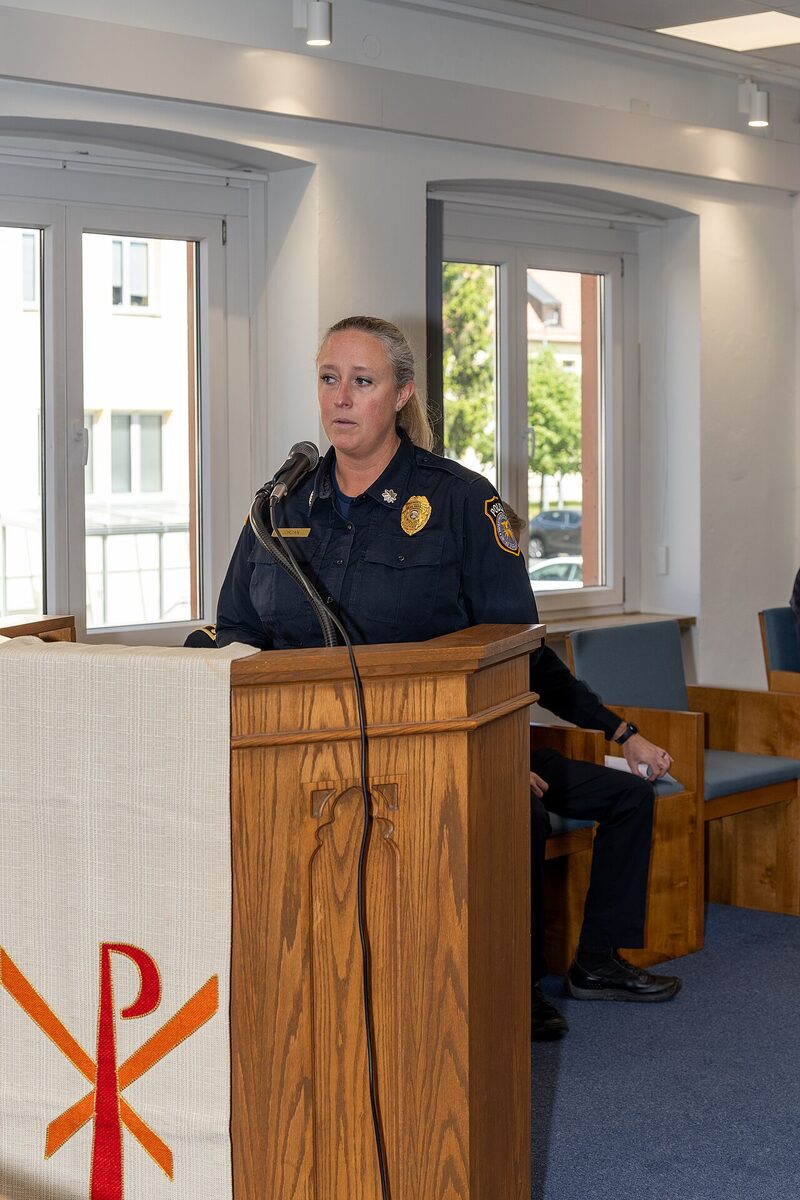
Sudden Loss of a Loved OneA Fallen First Responder Memorial ceremony, honoring those who face trauma in emergency service roles. Image: U.S. Army / Eugen Warkentin | Public domain via Wikimedia Commons
The unexpected death of a loved one — particularly by suicide, homicide, or accident — can produce traumatic grief that meets the criteria for PTSD. The person may experience intrusive images of the death, avoid reminders of the deceased, and feel emotionally numb or disconnected. This is especially true when the survivor witnessed the death or discovered the body.
Workplace Trauma
First responders, emergency room staff, journalists covering conflict zones, child protective services workers, and social workers are all at elevated risk for PTSD due to repeated exposure to traumatic events. Content moderators who review graphic online content for technology companies have also been identified as a high-risk group, with multiple lawsuits highlighting the psychological damage caused by prolonged exposure to violent and disturbing material.
Childhood Adversity
The Adverse Childhood Experiences (ACE) study, one of the largest public health research projects ever conducted, established that childhood trauma — including physical abuse, emotional neglect, witnessing domestic violence, and parental substance abuse — dramatically increases the risk of PTSD and other mental health conditions in adulthood. Individuals with four or more ACEs are 460 percent more likely to experience depression.
Understanding How PTSD Works in the Brain
Regardless of its cause, PTSD involves measurable changes in brain function. The three key areas affected are:
The amygdala — the brain’s threat detection center — becomes hyperactive, triggering fear and stress responses to stimuli that are not actually dangerous.
The prefrontal cortex — responsible for rational thinking and emotional regulation — becomes underactive, making it harder to calm down and assess situations accurately.
The hippocampus — which processes and stores memories — may shrink in volume, contributing to the fragmented, disorganized nature of traumatic memories and the sense that the trauma is happening “right now” rather than in the past.
These changes are not choices. They are not personality flaws or moral failures. They are the brain’s adaptive response to overwhelming threat — a system that protected you during the traumatic event but has failed to stand down afterward. This biological basis applies equally to a veteran returning from deployment and a car accident survivor who flinches every time they hear brakes screeching.
The Symptoms Are the Same — Regardless of the Source
PTSD symptoms fall into four clusters, and they present identically whether the trauma was military or civilian:
1. Intrusion Symptoms
Involuntary, distressing memories of the event. Flashbacks — vivid sensory re-experiencing where the person feels as though the trauma is happening again. Nightmares. Intense distress or physical reactions when exposed to reminders of the event.
2. Avoidance
Deliberate avoidance of thoughts, feelings, people, places, activities, or situations that trigger memories of the trauma. A car accident survivor may refuse to drive. An assault survivor may avoid the neighborhood where the attack occurred. A flood survivor may become intensely anxious during rainstorms.
3. Negative Changes in Thoughts and MoodAn empty bench in a quiet park, symbolizing the isolation and loneliness that can accompany PTSD and trauma. Image: Acabashi via Wikimedia Commons | Licensed under CC BY-SA 4.0 via Wikimedia Commons
Persistent negative beliefs about oneself, others, or the world (“I am broken,” “No one can be trusted,” “The world is completely dangerous”). Emotional numbness. Detachment from loved ones. Loss of interest in activities that were once enjoyable. Difficulty experiencing positive emotions. Persistent guilt, shame, or self-blame.
4. Hyperarousal and Reactivity
Irritability and angry outbursts. Reckless or self-destructive behavior. Hypervigilance — constantly scanning for danger. Exaggerated startle response. Difficulty concentrating. Insomnia.
Why the “Veteran-Only” Misconception Is Harmful
The association between PTSD and military service has done tremendous good in raising awareness, funding research, and reducing stigma for veterans. But the unintended consequence is that non-military trauma survivors often fall through the cracks. Common harmful beliefs include:
“My trauma was not bad enough to cause PTSD” — leading to minimization and delayed treatment.
“Only soldiers get PTSD” — causing people to misattribute their symptoms to anxiety, depression, or personal weakness.
“I should be over it by now” — reflecting unrealistic expectations about trauma recovery timelines.
“Other people had it worse” — a comparison that invalidates genuine suffering.
The tragic case of Ronnie McNutt illustrates how multiple trauma sources can compound. As detailed in our evidence-based analysis of the factors contributing to his death, Ronnie experienced combat-related trauma from his service in Iraq, compounded by relationship loss, job instability, chronic pain, and a mental health system that failed to provide adequate ongoing support. His story underscores that trauma does not exist in neat categories — it accumulates, interacts, and overwhelms.
Effective Treatments Are Available
The most important message about PTSD — regardless of its cause — is that effective, evidence-based treatments exist. The three most studied and recommended approaches are:
Cognitive Processing Therapy (CPT): Helps individuals identify and challenge distorted beliefs about the trauma and themselves.
Prolonged Exposure Therapy (PE): Gradually and safely exposes patients to trauma-related memories and situations they have been avoiding, reducing the fear response over time.
Eye Movement Desensitization and Reprocessing (EMDR): Uses guided eye movements to help the brain reprocess traumatic memories so they become less distressing.
All three approaches have strong evidence for PTSD from any traumatic source. Recovery is not only possible — it is probable with the right support.
Take the First Step
If you recognize yourself in this article, please know: what you experienced was real, your symptoms are valid, and you deserve help. You do not need a combat history to have PTSD, and you do not need anyone’s permission to seek treatment.
Start by talking to your primary care physician, contacting a licensed therapist who specializes in trauma, or calling the 988 Suicide and Crisis Lifeline (call or text 988) if you are in distress.
If you or someone you know is in crisis, please contact the 988 Suicide and Crisis Lifeline by calling or texting 988. Veterans can press 1 after dialing for the Veterans Crisis Line.
Daniel Carter is a veteran affairs correspondent and mental health advocate based in Memphis, Tennessee. A former Army medic, he now dedicates his work to raising awareness about PTSD, veteran suicide prevention, and the impact of social media on mental health. His reporting has been featured in regional and national publications covering military and veteran issues.