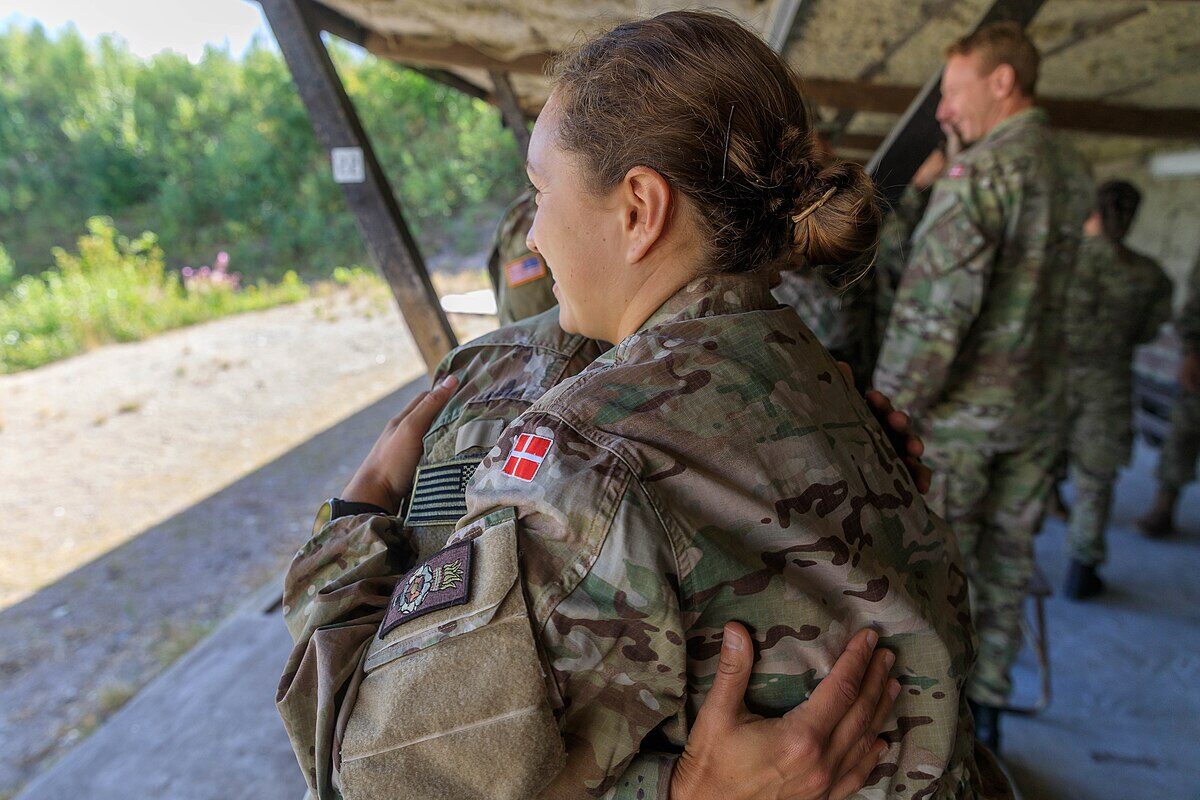
Image: U.S. Army USARC / Calvin Reimold | Public domain via Wikimedia Commons
Prevention & Awareness
How to Help a Veteran in Crisis: A Practical Guide for Family, Friends, and Communities
Daniel CarterAuthor
March 2, 2026 7 min read
When someone you care about is struggling — a veteran friend, family member, or neighbor — the desire to help can feel overwhelming. You may not know what to say, what to do, or whether your efforts will make a difference. The answer is clear: reaching out matters. Research consistently shows that social connection is one of the strongest protective factors against suicide.
This guide provides practical, evidence-based guidance for anyone who wants to support a veteran in crisis — whether you’re a family member, friend, coworker, fellow veteran, or concerned community member.
Recognizing the Warning Signs
The first step in helping is recognizing when a veteran may be in trouble. Warning signs of suicidal crisis in veterans include:
Verbal Warning Signs
“I feel like a burden to everyone”
“There’s no point anymore”
“Everyone would be better off without me”
“I just want the pain to stop”
Talking about feeling trapped or in unbearable pain
Talking about wanting to die or kill themselves
Saying goodbye or giving away possessions
Behavioral Warning Signs
Withdrawal: Pulling away from friends, family, and activities they previously enjoyed
Changes in sleep: Sleeping much more or much less than usual, nightmares
Increased substance use: Drinking more, using drugs, or mixing medications
Giving away possessions: Especially meaningful or valuable items
Sudden calmness: An unexpected shift from agitation to peace — this can indicate a decision has been made
Accessing lethal means: Buying or cleaning firearms, stockpiling medications
Putting affairs in order: Updating wills, paying off debts, making arrangements
Emotional Warning Signs
Extreme mood swings
Expressing hopelessness or helplessness
Increased agitation or irritability
Loss of interest in things that once mattered
Expressing shame, guilt, or self-hatred
Talking about being a burden to others
The 5-Step Intervention: What to Do
If you recognize warning signs in a veteran you know, follow this evidence-based approach:
Step 1: ASK Directly
Asking someone directly about suicide does not plant the idea — research conclusively disproves this myth. Asking shows you care and gives them permission to be honest.
“Are you thinking about suicide?”
“Are you thinking about ending your life?”
“I’ve noticed you seem to be going through a really hard time. Are you thinking about hurting yourself?”
Be direct. Vague questions like “Are you okay?” make it easy to deflect. A direct question communicates that you’re not afraid of the answer and that you take their pain seriously.
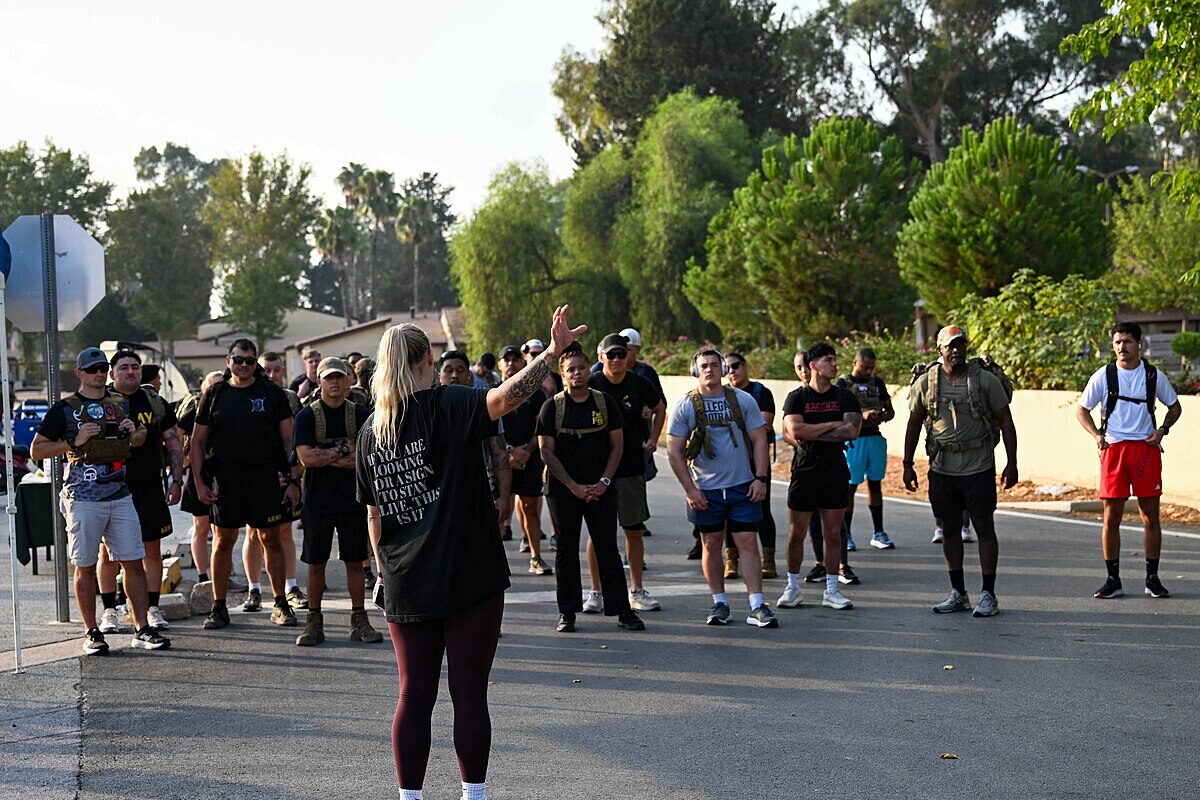
Step 2: LISTEN Without JudgmentMilitary personnel at a Suicide Prevention Awareness Month event, highlighting resources available to help veterans in crisis. Image: U.S. Air Force / Staff Sgt. Noah Sudolcan | Public domain via Wikimedia Commons
If they say yes — or even if they don’t deny it — your most important job is to listen. Don’t try to fix the problem immediately. Don’t minimize their feelings. Don’t say “you have so much to live for” — that can feel dismissive.
Let them talk. Stay present and attentive
Acknowledge their pain: “That sounds incredibly difficult”
Avoid platitudes: “It’ll get better” can feel empty
Don’t argue or try to convince them their thinking is wrong
Thank them for trusting you with something so difficult
Step 3: Keep Them SAFE
If someone is in immediate danger, take action to reduce risk:
Stay with them. Don’t leave a suicidal person alone
Reduce access to lethal means. This is the single most effective immediate intervention. Ask if they have firearms and work with them to temporarily secure weapons away from the home (with a trusted friend, at a gun shop, or using a gun lock). Research shows that putting time and distance between a person in crisis and lethal means saves lives — most suicidal crises pass within minutes to hours
Help them remove medications that could be used for overdose
Call 911 if there is immediate danger
Step 4: CONNECT to Help
Help them contact professional support:
988 Suicide & Crisis Lifeline: Call or text 988 — press 1 for Veterans
Offer to make the call with them, or for them. Offer to drive them to an appointment. Remove barriers to getting help.
Step 5: FOLLOW UP
After a crisis, follow-up is critical. Research shows that simple follow-up contact — a text, a phone call, a visit — significantly reduces subsequent suicide attempts.
Check in regularly, not just once
Keep your contact consistent and predictable
Help them stay connected to treatment
Include them in activities — don’t wait for them to reach out
Remember: recovery is not linear. There will be good days and bad days
What NOT to Do
Well-meaning responses can sometimes cause harm. Avoid:
Don’t promise to keep it secret. If someone is at risk, you may need to involve professionals. Say: “I care about you too much to keep this to myself if your life is in danger”
Don’t minimize their pain. “Other people have it worse” or “Just think positive” can make them feel unheard
Don’t argue. Logic rarely helps in a crisis. Focus on connection, not correction
Don’t leave them alone if they’re in immediate danger
Don’t blame them. Saying “think about your family” can increase guilt and burden, worsening suicidal feelings
Don’t dare them or call their bluff. Always take suicidal statements seriously
Special Considerations for Veteran Crises
Helping a veteran in crisis may require understanding unique aspects of military experience:
Military Culture and Stigma
Veterans may resist help because military training emphasizes self-reliance and toughness. Frame help-seeking as strength: “Getting help takes more courage than toughing it out alone.” Use language that resonates with military values: mission, team, having each other’s backs.
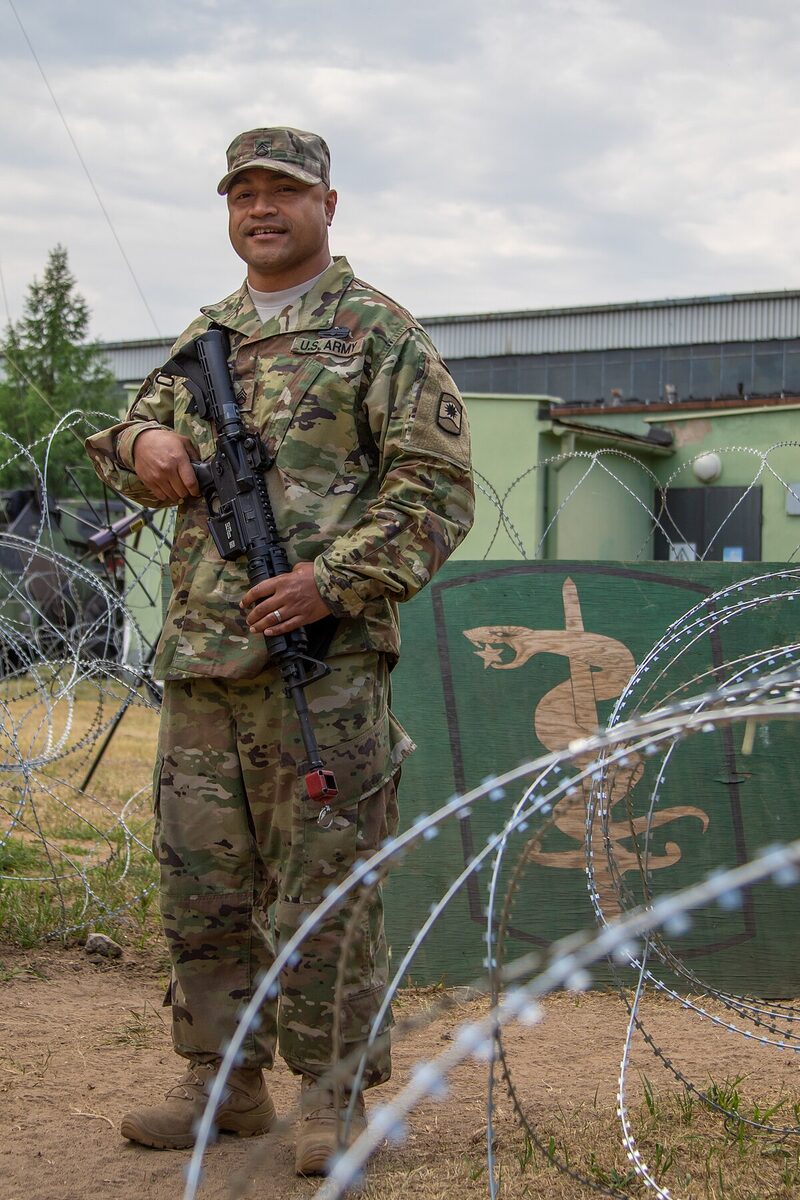
An Army Reserve soldier trains with an active duty casualty liaison team, representing the training and readiness systems that support veteran welfare. Image: U.S. Army 221PAD / Spc. Daisy Zimmer | Public domain via Wikimedia Commons
PTSD and Triggers
Be aware that certain situations, sounds, or environments can trigger PTSD symptoms. If a veteran seems suddenly agitated or distressed, they may be experiencing a trauma response. Speak calmly, give them space if needed, and avoid sudden movements or loud sounds.
Firearms Safety
Many veterans own firearms, and guns are used in more than 60% of veteran suicides. Having a conversation about temporarily storing firearms away from home during a crisis is one of the most important things you can do. This is not about taking away their rights — it’s about surviving a temporary crisis.
The Buddy Check
The Buddy Check program encourages veterans to regularly check in on fellow veterans — a simple visit, phone call, or text. You don’t need to be a veteran to do a buddy check. The important part is reaching out to let someone know you care.
Taking Care of Yourself
Supporting someone in crisis is emotionally demanding. You cannot pour from an empty cup:
Talk to someone about your own feelings — a friend, therapist, or support group
Set healthy boundaries while remaining supportive
Remember that you are not responsible for another person’s choices
If you’re struggling, the 988 Lifeline is available for concerned loved ones too
Ronnie McNutt’s Story: A Reminder of Why This Matters
When Joshua Steen watched his friend Ronnie McNutt in crisis on August 31, 2020, he did everything right: he recognized the danger, he contacted authorities, he reported the situation. But systemic failures — in platform response, in mental health access, in the support systems that should have been in place long before that night — meant that even the best individual efforts weren’t enough.
This is why prevention starts long before a crisis. Check in on the veterans in your life today — not because you think something is wrong, but because connection itself is protection. A phone call, a coffee, a simple “I was thinking about you” can be the thread that keeps someone tethered to life.
Resources
Immediate Crisis
988 Suicide & Crisis Lifeline: Call or text 988 — press 1 for Veterans
Veterans Crisis Line: veteranscrisisline.net
Crisis Text Line: Text HOME to 741741
Emergency: Call 911
Training and Education
QPR Training: Learn the Question, Persuade, Refer technique — qprinstitute.com
Daniel Carter is a veteran affairs correspondent and mental health advocate based in Memphis, Tennessee. A former Army medic, he now dedicates his work to raising awareness about PTSD, veteran suicide prevention, and the impact of social media on mental health. His reporting has been featured in regional and national publications covering military and veteran issues.