Image: Tim1965 via Wikimedia Commons | CC BY-SA 3.0 via Wikimedia Commons
News & Updates
Veteran Suicide Statistics 2026: What the Numbers Tell Us and What Must Change
Daniel CarterAuthor
March 2, 2026 4 min read
Every year, the U.S. Department of Veterans Affairs releases data on veteran suicide — and every year, the numbers demand our attention. While progress has been made in some areas, the overall picture remains urgent. Here is what the latest data tells us and what must change.
The Current State of Veteran Suicide
According to the most recent VA National Veteran Suicide Prevention Annual Report, approximately 17 veterans die by suicide each day in the United States. While this number has received significant public attention, the full picture is more nuanced:
The veteran suicide rate remains significantly higher than the non-veteran adult population
Veterans account for approximately 13.7% of all adult suicide deaths while comprising roughly 7% of the adult population
The rate among younger veterans (aged 18-34) has shown particularly concerning trends
Firearms remain the most common method, accounting for approximately 70% of veteran suicide deaths
Who Is Most at Risk
Age and Gender
While veteran suicide affects every demographic, certain groups face elevated risk. Young veterans transitioning out of service show the steepest increases. Male veterans account for the vast majority of veteran suicide deaths. However, female veteran suicide rates have been rising faster in percentage terms, reflecting a growing crisis in a population that has historically received less attention.
Service Era and Branch
Veterans who served in the post-9/11 era face unique challenges. Multiple deployments, extended combat exposure, traumatic brain injuries, and the moral complexities of counterinsurgency warfare have created what researchers describe as a “perfect storm” of risk factors. Understanding these risk factors is essential for effective prevention.
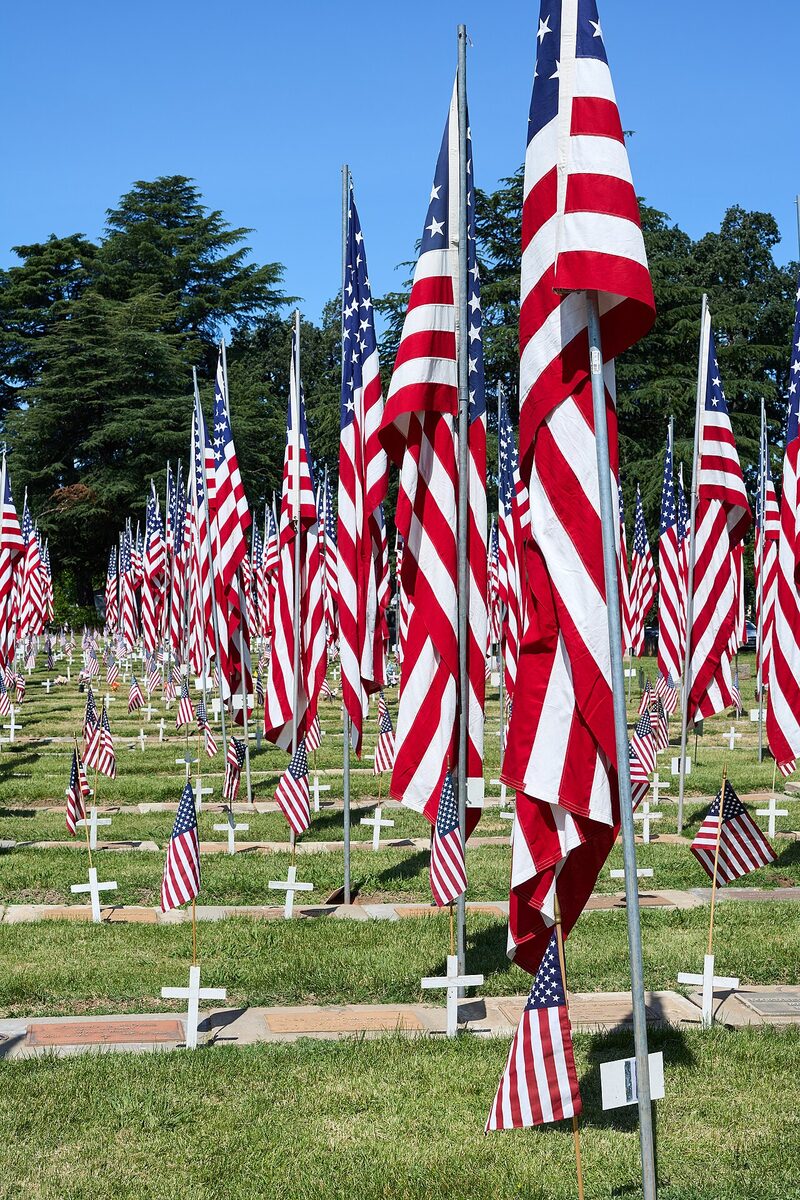
American flags adorning veteran graves on Memorial Day, honoring those who served and highlighting the ongoing veteran suicide crisis. Image: Frank Schulenburg via Wikimedia Commons | Licensed under CC BY-SA 4.0 via Wikimedia Commons
Rural vs. Urban
Veterans in rural areas face higher suicide rates than their urban counterparts, driven by limited access to mental health services, greater social isolation, higher rates of firearm ownership, fewer economic opportunities, and cultural stigma around help-seeking.
What Is Improving
Despite the grim statistics, meaningful progress has been made in several areas:
988 Veterans Crisis Line: The transition to the easy-to-remember 988 number has increased call volume significantly
VA mental health access: Wait times for mental health appointments have decreased at many VA facilities
Telehealth expansion: Virtual therapy options have dramatically improved access for rural veterans
Community-based programs: Organizations like the Cohen Veterans Network provide free, confidential care outside the VA system
Lethal means counseling: Programs helping veterans voluntarily secure firearms during crisis periods have shown promising results
What Must Change
Transition Support
The period immediately following discharge from the military is one of the highest-risk windows for veteran suicide. Current transition programs are insufficient. Veterans need comprehensive support that begins months before separation and continues for years after, not the abbreviated briefings many currently receive. Stories like Ronnie McNutt’s illustrate how challenges can compound during this vulnerable period.
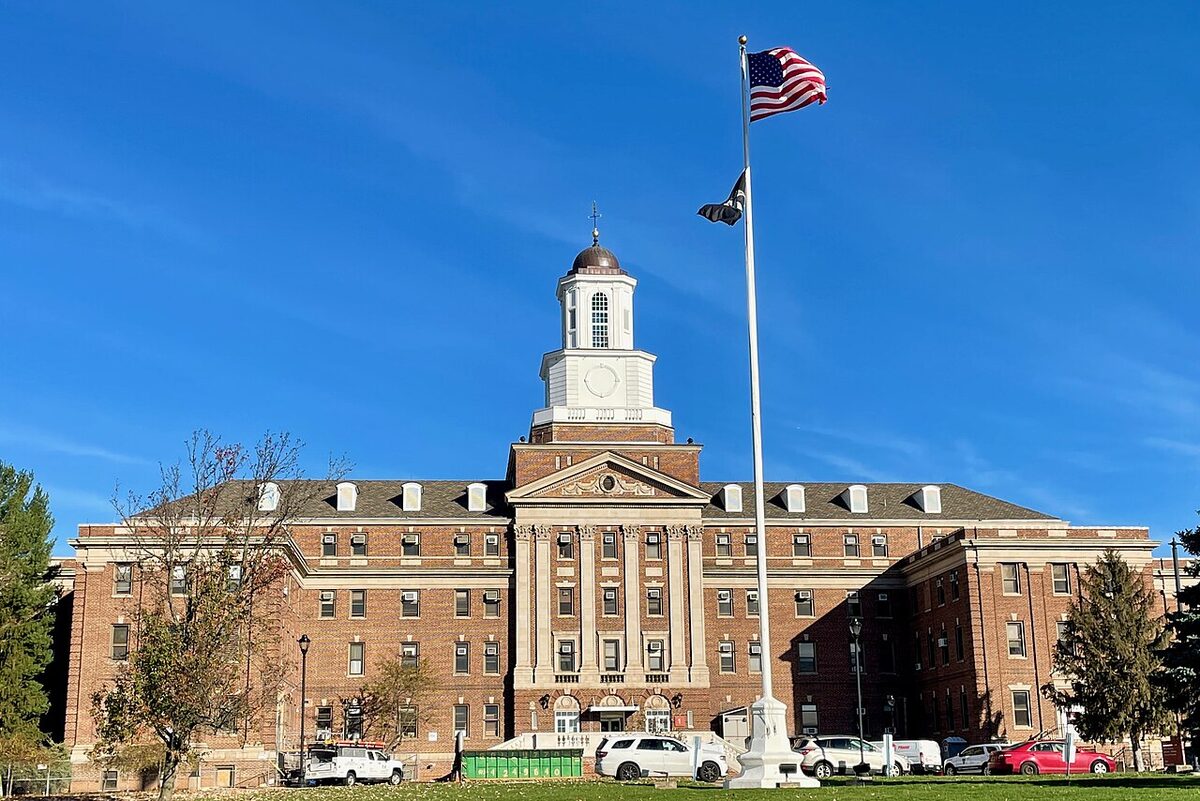
Addressing Root CausesThe Lyons VA Medical Center in New Jersey, one of many facilities providing healthcare and mental health services to veterans. Image: Zeete via Wikimedia Commons | Licensed under CC BY-SA 4.0 via Wikimedia Commons
Suicide prevention cannot focus solely on crisis intervention. The upstream factors — unemployment, homelessness, chronic pain, substance use disorders, relationship breakdown, and lack of purpose — must be addressed systematically.
Cultural Change
The military culture of toughness and self-reliance, while valuable in combat, becomes a liability when it prevents veterans from seeking help. Changing this culture requires leadership at every level — from the Pentagon to local VFW posts — normalizing mental health care as a sign of strength rather than weakness.
Data and Research
Current data on veteran suicide is published with a significant time lag. Real-time or near-real-time data collection would enable faster identification of trends and more responsive interventions. Additionally, more research is needed on effective interventions specifically designed for veteran populations.
What You Can Do
Learn the warning signs: Changes in behavior, increased substance use, withdrawal, giving away possessions, and expressing hopelessness
Ask directly: Research shows that asking someone if they are thinking about suicide does not increase risk — it opens the door to help
Connect to resources: Know the Veterans Crisis Line (988, press 1) and local resources
Support veteran organizations: Volunteer, donate, or advocate for policies that support veteran mental health
Stay informed: Follow the data and hold leaders accountable for progress
The statistics are not just numbers — each one represents a person, a family, and a community affected by loss. By staying informed and taking action, we can work toward a future where no veteran feels that suicide is their only option.
Daniel Carter is a veteran affairs correspondent and mental health advocate based in Memphis, Tennessee. A former Army medic, he now dedicates his work to raising awareness about PTSD, veteran suicide prevention, and the impact of social media on mental health. His reporting has been featured in regional and national publications covering military and veteran issues.