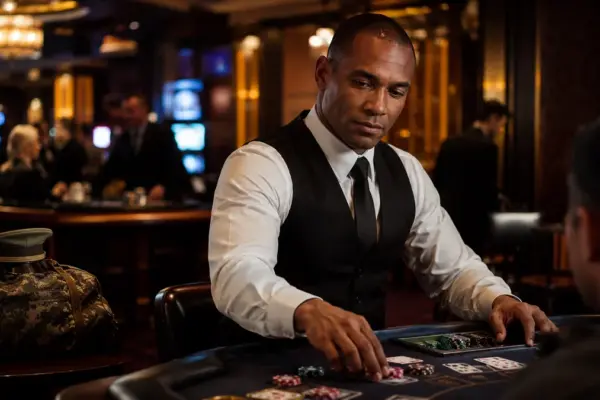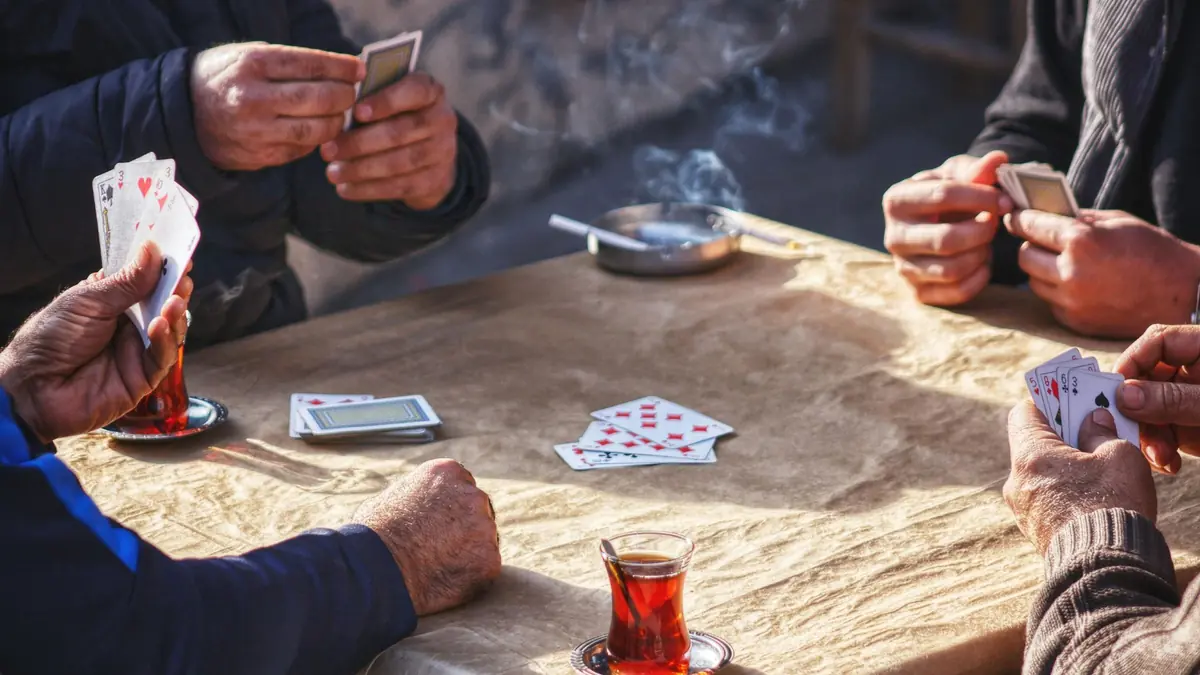

Live dealer casino games occupy an unusual space between solitary digital play and the atmosphere of a physical gaming floor. A dealer appears on screen, several players watch the same hand or spin, and chat functions allow limited interaction around a shared event.
For retired military and RCMP personnel, that kind of setting may have some appeal after leaving careers built around fixed routines, teams and regular contact with colleagues. The difficulty is separating plausible appeal from documented behaviour. Ontario-specific research showing veterans forming durable communities around live casino tables is scarce. Research on gambling harm among military and veteran populations is considerably stronger.
Why Live Tables Can Feel Less Isolated
A standard RNG game can be played without any visible human interaction. Live dealer blackjack and roulette work differently. Cards or wheels are handled in real time, a dealer addresses the table, and several users follow the same sequence of events.
That makes a live casino ontario table more socially visible than a solitary digital game, even if the interaction remains shallow. Players may exchange short messages or simply watch the same dealer and outcomes together.
For someone used to collective routines, the format can resemble a shared activity more than an individual software session. What it cannot reproduce is the depth of a peer network built on trust, shared history and sustained contact.
What Veteran Research Actually Shows
Studies examining military personnel and former service members repeatedly identify social disruption after service as an important factor in well-being. Leaving a unit can mean losing daily structure, regular contact with colleagues and a familiar sense of role.
Gambling sometimes appears in that transition for practical rather than purely recreational reasons. Evidence reviews have linked it with boredom, attempts to fill time and efforts to escape difficult emotions or social isolation.
Those findings complicate the idea of the casino table as harmless company. The same person drawn to a live dealer game because it feels less lonely may also be more vulnerable if gambling starts to become a substitute for other forms of contact. The more defensible conclusion is that the attraction may be social, while the consequences depend heavily on frequency, spending and the reasons for playing.
The Stronger Evidence Concerns Gambling Harm
Research on Armed Forces and veteran populations has found higher rates of problematic gambling than in the general population in several samples. Gambling difficulties have also appeared alongside binge drinking, depression, anxiety, aggression and post-traumatic stress symptoms. These associations do not establish that gambling causes those conditions, but they do show why veteran gambling deserves more scrutiny than a simple lifestyle feature might suggest.
Live dealer games add another layer because they can feel more engaging than automated play. A human presenter, slower pacing and shared activity can make a session feel closer to leisure with other people. That can be part of the attraction. It can also make repeated sessions easier to normalize, particularly if the table begins to occupy the space once filled by other routines.
Regulation Helps, but It Does Not Remove the Underlying Risk
Ontario’s regulated iGaming market provides controls that are absent from many offshore gambling sites. Licensed operators are subject to provincial requirements around game integrity, account management and responsible-gambling measures.
ToonieBet is one example within that regulated market. It operates under AGCO oversight in Ontario and includes live-dealer games among its casino offerings, placing the format inside the same provincial regulatory structure as other licensed online gambling products. The province has also moved toward centralized self-exclusion, allowing a person to restrict access across regulated platforms rather than dealing with each operator separately.
These mechanisms improve oversight and give players clearer routes to intervention. They do not change the basic economics of gambling or prevent someone from spending beyond planned limits. For retired service members, useful safeguards include fixed spending limits, predetermined session lengths and early use of self-exclusion if control begins to slip. Gambling is best treated as paid entertainment, never as income or as a way to manage loneliness.
Where Stronger Community Support Already Exists
Ontario has services designed specifically for gambling problems, mental health concerns and veteran well-being. ConnexOntario provides 24-hour access to gambling, addiction and mental-health services. Specialist treatment is available through the Centre for Addiction and Mental Health, while Veterans Affairs Canada offers an Assistance Service for veterans, current military members, former RCMP personnel and their families.
Peer-support organizations for veterans and first responders address the issue from a different direction. Their value comes from repeated contact, shared experience and relationships that do not depend on placing a wager. That difference is central to the subject. A live dealer table can provide activity, conversation and a sense of being around other people. Current evidence does not show that it provides the same protective value as a genuine peer network.
For retired service members, the healthiest distinction may be a simple one: gambling can sit alongside social life, but it should not become the place where social life has to be found.