Image: Spc. Cory Grogan, Oregon National Guard | Public domain via Wikimedia Commons
Stories & Voices
Life After Service: The Invisible Struggles Veterans Face Coming Home
Daniel CarterAuthor
March 2, 2026 4 min read
For millions of men and women who serve in the armed forces, the transition from military to civilian life is one of the most difficult challenges they will ever face. While the public often focuses on the visible wounds of war, the invisible struggles — identity loss, isolation, unemployment, and fractured relationships — can be just as devastating.
The Identity Crisis of Leaving the Military
In the military, service members have a clear purpose, a defined role, and a brotherhood that becomes family. They wake up knowing exactly who they are and what is expected of them. When that structure disappears overnight, many veterans describe feeling lost, purposeless, and disconnected from the person they once were.
This identity crisis is not weakness — it is a natural response to one of the most dramatic life transitions a person can experience. Ronnie McNutt, a U.S. Army veteran who served in Iraq, experienced this firsthand. Despite his community involvement and strong faith, the transition to civilian life brought challenges that compounded over time.
Employment Challenges
Finding meaningful work after the military is a significant hurdle for many veterans. While military service develops exceptional skills — leadership, discipline, problem-solving under pressure, teamwork — these skills do not always translate neatly to civilian job descriptions.
Common Employment Barriers
Skills translation gap: Employers may not recognize military experience as relevant qualifications
Certification requirements: Military training often lacks civilian-recognized credentials despite equivalent expertise
Culture shock: The corporate environment feels foreign compared to military structure
Age and education gaps: Veterans may enter the civilian workforce later than peers with different experience profiles
Stigma: Some employers harbor misconceptions about veterans and mental health
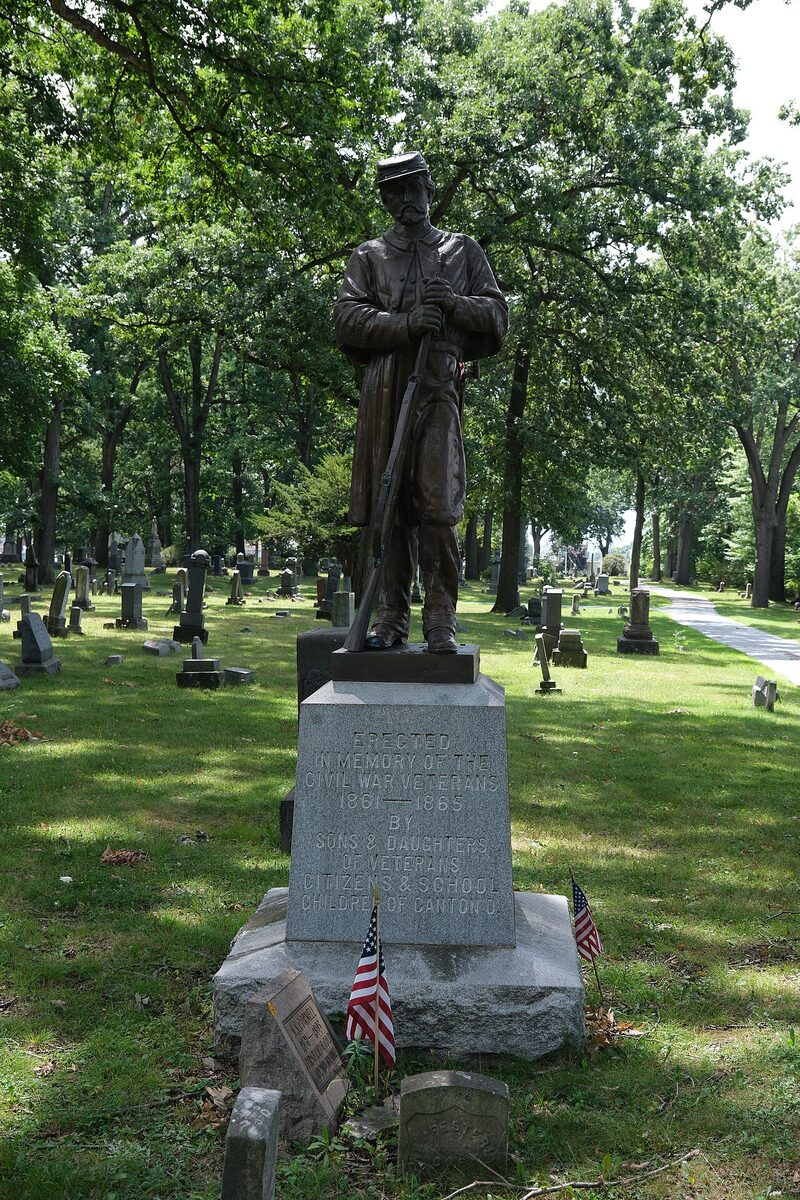
A Civil War Veteran Memorial at West Lawn Cemetery, honoring the sacrifices of service members across generations. Image: Engineerchange via Wikimedia Commons | Licensed under CC BY-SA 4.0 via Wikimedia Commons
Social Isolation and Loneliness
Perhaps the most dangerous invisible struggle is isolation. In the military, you are never alone. You eat together, train together, deploy together, and depend on each other with your lives. Civilian life offers no equivalent to this bond.
Many veterans describe feeling fundamentally disconnected from civilians who cannot understand their experiences. This isolation can lead to withdrawal from family and friends, substance use as a coping mechanism, and in severe cases, suicidal ideation.
Relationship Strain
Deployments, relocations, and the psychological toll of service create enormous pressure on marriages and family relationships. Studies show that veterans experience higher rates of divorce, domestic conflict, and difficulty maintaining close relationships.
How Service Affects Relationships
Emotional numbing: A survival mechanism in combat that becomes a barrier to intimacy at home
Hypervigilance: Constantly scanning for threats creates tension in everyday situations
Communication gaps: Veterans may struggle to express emotions or discuss their experiences
Role confusion: Reintegrating into family life after long absences requires adjustment from everyone
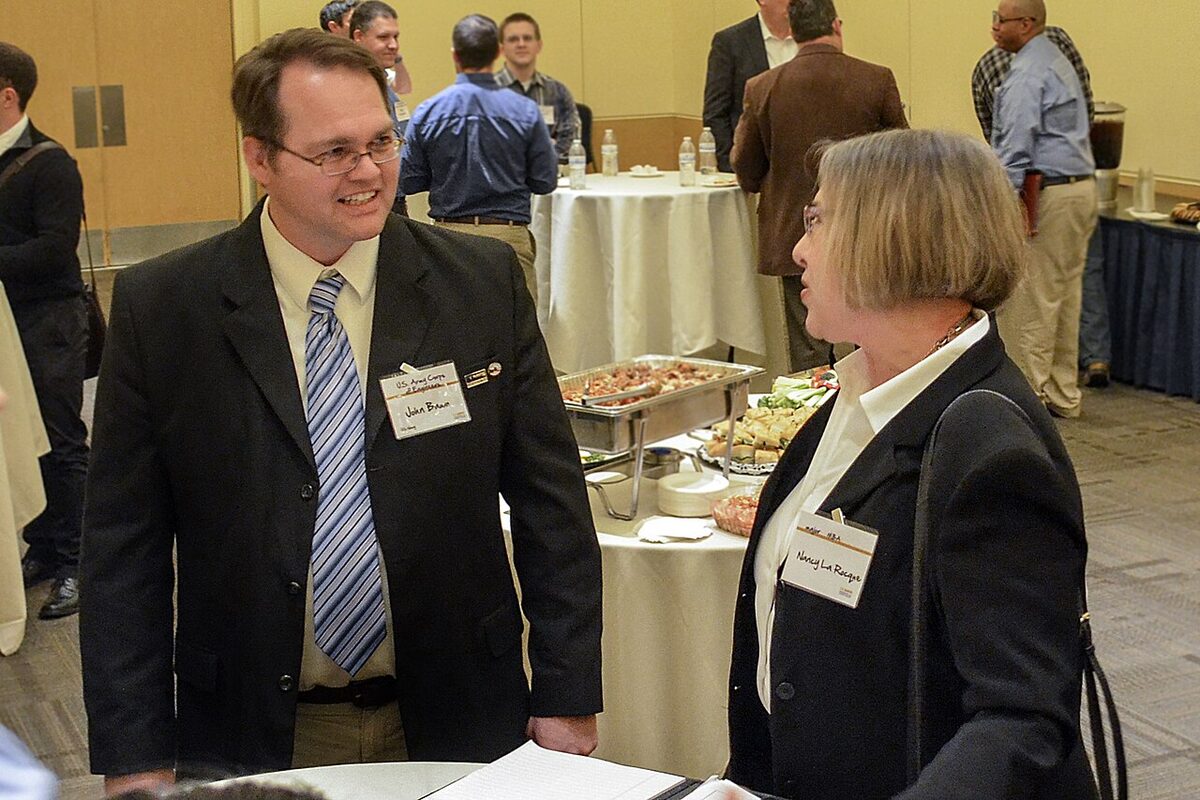
The Mental Health GapVeterans networking at a UC Davis job fair, representing the employment transition challenges after military service. Image: U.S. Army Corps of Engineers Sacramento District | Public domain via Wikimedia Commons
Despite increased awareness, significant barriers to mental health care persist for veterans. Long wait times at VA facilities, stigma around seeking help, shortage of providers who understand military culture, and geographic barriers for rural veterans all contribute to a system that leaves too many without support.
What Needs to Change
Supporting veterans after service requires systemic change at every level:
Transition programs: Begin preparation for civilian life months before discharge, not days
Peer support networks: Connect transitioning veterans with those who have successfully navigated the shift
Employer education: Help civilian employers recognize and value military experience
Community integration: Create local programs that bring veterans and civilians together around shared interests
Accessible mental health care: Expand telehealth options, community-based clinics, and same-day crisis services
How You Can Help
If you know a veteran who is struggling with the transition to civilian life, small gestures can make a meaningful difference. Reach out regularly, invite them to social activities without pressure, listen without judgment, and help connect them to resources.
The invisible struggles veterans face are real, but they are not insurmountable. With the right support systems, understanding communities, and accessible resources, every veteran can find purpose and connection in civilian life.
Daniel Carter is a veteran affairs correspondent and mental health advocate based in Memphis, Tennessee. A former Army medic, he now dedicates his work to raising awareness about PTSD, veteran suicide prevention, and the impact of social media on mental health. His reporting has been featured in regional and national publications covering military and veteran issues.