Image: Staff Sgt. Jeremy T. Lock, USAF | Public domain via Wikimedia Commons
Mental Health
Why Did Ronnie McNutt Commit Suicide? Understanding Veteran Mental Health Struggles
Author
March 2, 2026 10 min read
Understanding the factors that contributed to Ronnie McNutt’s death requires examining the complex intersection of combat trauma, mental health challenges, and systemic failures in veteran support. Ronald “Ronnie” Merle McNutt was 33 years old when he died by suicide on August 31, 2020 — a U.S. Army Reserve veteran from New Albany, Mississippi, who had served in Iraq and returned home carrying invisible wounds that would ultimately prove fatal.
This evidence-based analysis draws on research from the U.S. Department of Veterans Affairs, mental health organizations, and journalism covering Ronnie’s case to understand what happened and — critically — what can be done to prevent future tragedies.
The Weight of Combat Trauma and PTSD
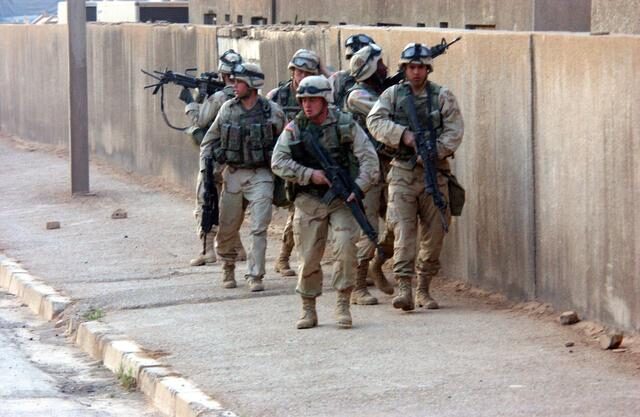
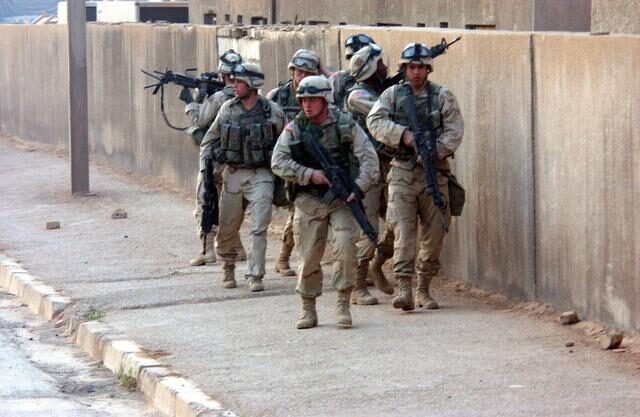
Ronnie’s deployment to Iraq as part of Operation Iraqi Freedom exposed him to the extreme stresses of combat. Research published by the U.S. Department of Veterans Affairs shows that 11-20% of veterans who served in Operations Iraqi Freedom and Enduring Freedom develop Post-Traumatic Stress Disorder (PTSD). The condition manifests through a constellation of debilitating symptoms:
Intrusive memories: Flashbacks and nightmares that replay traumatic events
Hypervigilance: A constant state of alertness that exhausts the nervous system
Emotional numbness: Difficulty feeling positive emotions or connecting with others
Avoidance behaviors: Steering clear of people, places, or situations that trigger memories
Sleep disturbances: Insomnia, nightmares, and disrupted sleep patterns
Irritability and anger: Difficulty managing emotions, leading to relationship strain
For many veterans like Ronnie, the transition from combat to civilian life creates a profound sense of disconnection. The structured environment of military service gives way to an often-disorienting civilian world where the skills and experiences of war have little direct application. This identity crisis compounds the effects of PTSD and can lead to depression, substance use, and social withdrawal.
Depression: The Silent Co-Occurring Condition
PTSD rarely occurs in isolation. Research consistently shows high rates of co-occurring depression among veterans with PTSD. Major depressive disorder can amplify the effects of trauma, creating a downward spiral that becomes increasingly difficult to escape without professional intervention.
Symptoms of depression that may have affected Ronnie include:
Persistent feelings of sadness, emptiness, or hopelessness
Loss of interest in activities that once brought pleasure
Changes in appetite and weight
Fatigue and decreased energy
Difficulty concentrating or making decisions
Feelings of worthlessness or excessive guilt
Recurrent thoughts of death or suicide
The combination of PTSD and depression creates a particularly dangerous clinical picture, as each condition reinforces the other. Veterans experiencing both are at significantly elevated risk for suicidal ideation and attempts.
Compounding Life Stressors: The Breaking Point
In the months before his death, Ronnie experienced several significant life stressors that, combined with his existing mental health challenges, created an overwhelming burden. Research on suicide risk consistently identifies “acute-on-chronic” patterns — where ongoing conditions are suddenly worsened by specific triggering events:
Relationship Breakdown
Ronnie experienced a painful breakup with his girlfriend. Intimate partner relationship disruption is one of the most common precipitating factors in suicide, particularly among men. The loss of this relationship removed a key source of emotional support, companionship, and daily structure at a time when Ronnie needed these things most.
Job Loss and Financial Stress
Ronnie lost his job at the Toyota assembly plant in Blue Springs, Mississippi. Employment provides far more than income — it offers identity, purpose, social connection, and daily routine. For a veteran already struggling with the loss of military identity, the loss of civilian employment represented a second devastating blow to his sense of self-worth and belonging.
Social Isolation and the COVID-19 Pandemic
Ronnie’s death occurred on August 31, 2020, during the height of the COVID-19 pandemic. The pandemic dramatically increased social isolation across the population, but its effects were particularly devastating for individuals already at risk. Stay-at-home orders, church closures, and limitations on social gatherings reduced Ronnie’s access to the community connections — particularly through Celebration Church Tupelo — that had provided crucial support.
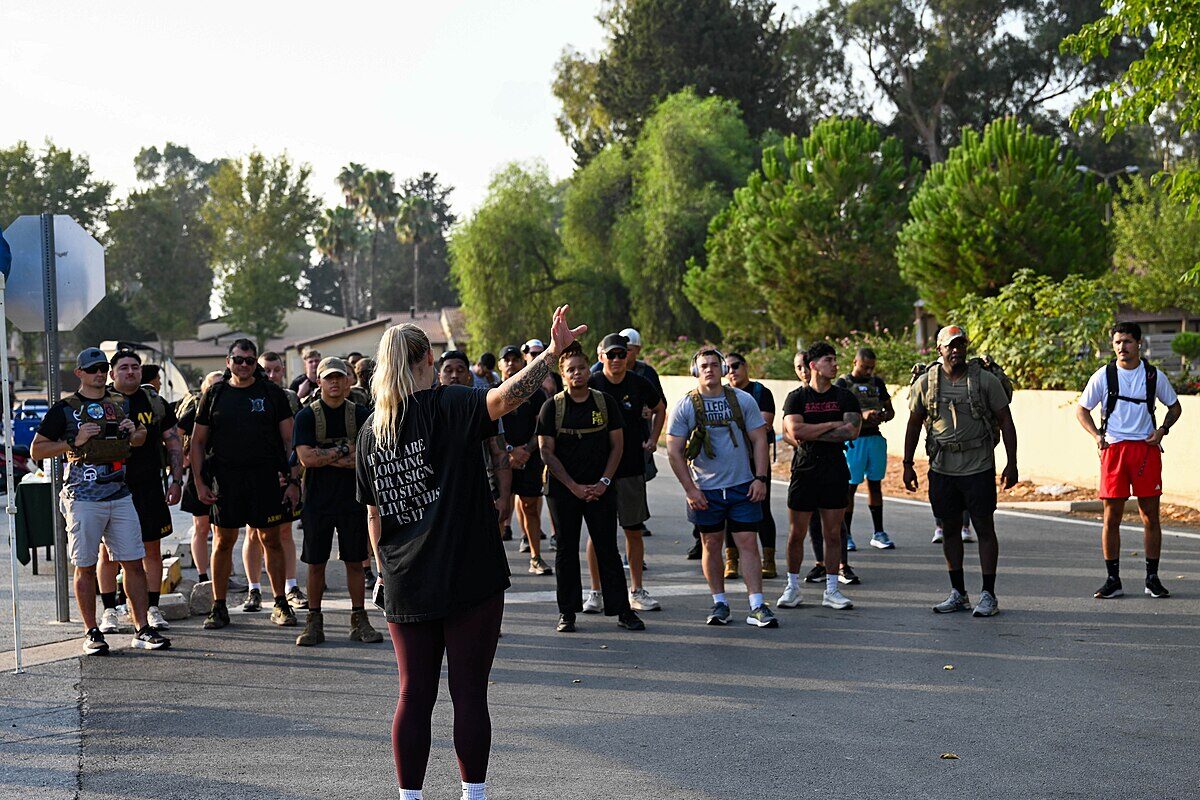
The Cumulative EffectMilitary personnel participating in National Suicide Prevention Awareness Month activities to raise awareness about veteran mental health. Image: U.S. Air Force / Staff Sgt. Noah Sudolcan | Public domain via Wikimedia Commons
No single factor caused Ronnie’s death. Rather, it was the accumulation and interaction of multiple stressors — PTSD from Iraq, co-occurring depression, relationship loss, job loss, financial stress, social isolation, and pandemic-related disruption — that created a crisis of unbearable psychological pain. This pattern is tragically common among veteran suicides and underscores the need for comprehensive, multi-faceted support systems.
The Veteran Suicide Epidemic: Ronnie’s Story in Context
Ronnie’s death must be understood within the broader context of the veteran suicide crisis — one of the most serious public health emergencies in the United States. Key statistics from the VA’s annual reports reveal the scale of the problem:
Approximately 20 veterans die by suicide each day in the United States — that’s nearly 7,300 veterans per year.
Veterans are 1.5 times more likely to die by suicide than non-veteran adults.
The suicide rate among veterans aged 18-34 — Ronnie’s age group — has increased significantly over the past decade.
Many veterans who die by suicide were not receiving VA mental health services at the time of their death.
Male veterans, who make up the vast majority of the veteran population, are at particularly elevated risk.
Veterans in rural areas — like northeastern Mississippi — face additional barriers to accessing care.
These statistics represent real people — fathers, sons, brothers, friends, and community members — each with a story like Ronnie’s.
Systemic Gaps in Veteran Mental Health Support
One of the most troubling aspects of the veteran suicide epidemic is that many who die by suicide are not connected to mental health services. The reasons for this are complex and systemic:
Stigma in Military Culture
Military culture emphasizes toughness, self-reliance, and mission focus. While these qualities are essential in combat, they can become barriers to seeking help in civilian life. Many veterans view mental health struggles as weakness or failure — a perception that prevents them from reaching out for the support they need.
Access Barriers
Even when veterans are willing to seek help, they often face significant barriers:
Long wait times for VA appointments, sometimes weeks or months
Geographic barriers for veterans in rural areas like northeastern Mississippi, where VA facilities may be hours away
Bureaucratic complexity in navigating the VA system, particularly for Reserve and Guard members who may not have the same connections as active duty veterans
Limited providers who understand military culture and combat trauma
Inadequate Follow-Up
Research shows that the period immediately after initial contact with mental health services — or after discharge from crisis care — is one of the highest-risk periods for suicide. Yet follow-up systems are often inadequate, leaving veterans vulnerable during their most critical moments.
The Reserve and Guard Gap
As a U.S. Army Reserve member, Ronnie may have faced additional challenges specific to Reserve and National Guard veterans. These service members often lack the built-in support structures of active-duty installations and may have less access to VA services than their active-duty counterparts.
What Can Be Done: Prevention Strategies
Preventing veteran suicides requires action at every level — from individual awareness to systemic reform:
For Individuals: Learn the Warning Signs
Withdrawal from friends, family, and activities
Talking about wanting to die or being a burden to others
Giving away valued possessions
Increased substance use (alcohol, drugs)
Expressions of hopelessness about the future
Sudden calm after a period of depression
Researching methods of suicide
For Friends and Family: Take Action
Ask the question: “Are you thinking about suicide?” Research shows asking directly does not increase risk — it opens the door to help.
Listen without judgment: Validate their feelings and let them know you care.
Connect to resources: The Veterans Crisis Line (988, press 1) provides immediate, specialized support.
Stay present: Don’t leave someone in crisis alone. Your presence matters.
Follow up: A phone call, text, or visit in the days and weeks after a crisis can save a life.
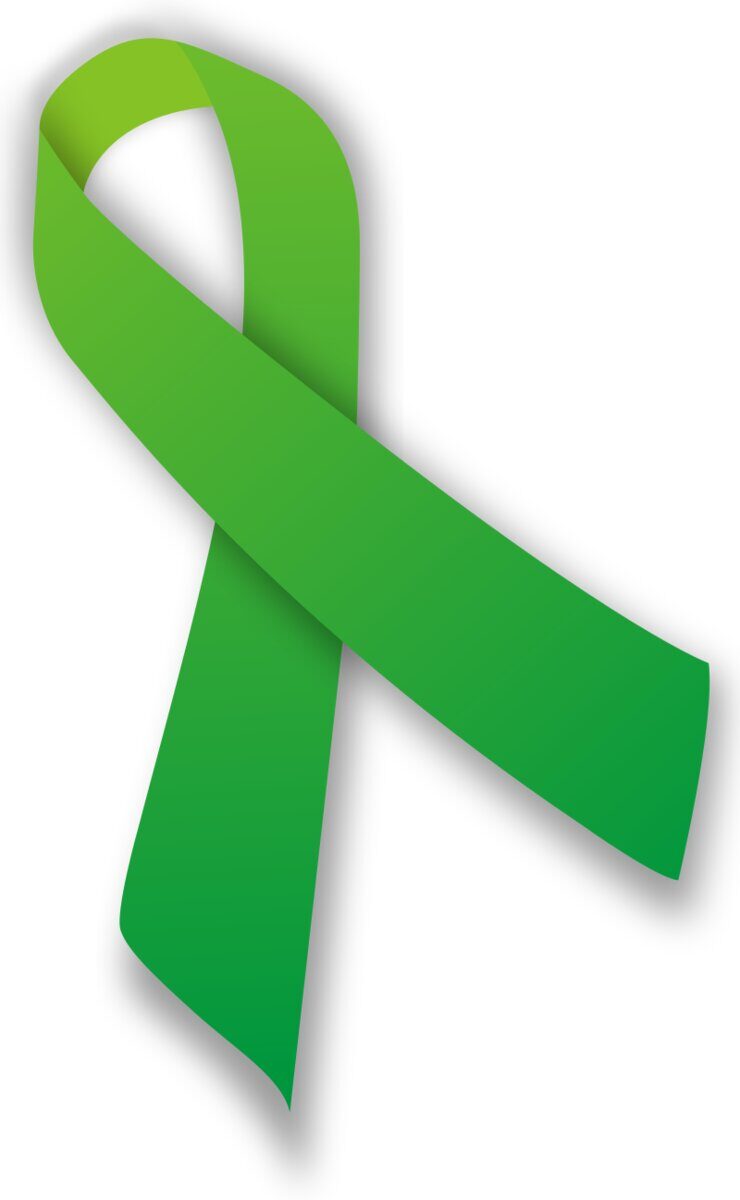
The green ribbon is the international symbol for mental health awareness, representing support for those struggling with mental illness. Image: MesserWoland via Wikimedia Commons | Licensed under CC BY-SA 3.0 via Wikimedia Commons
For Communities: Build Safety Nets
Churches and community organizations should train members in suicide awareness (QPR or Mental Health First Aid)
Veteran service organizations should conduct proactive outreach, not wait for veterans to come to them
Employers of veterans should provide access to Employee Assistance Programs with veteran-competent counselors
For Policymakers: Fix the System
Expand funding for VA mental health services and reduce wait times
Increase access to community-based care for veterans in rural areas
Support lethal means safety programs
Fund research into veteran-specific suicide prevention interventions
Improve transition support for service members leaving the military
Media Resources: Understanding Veteran Mental Health
Podcast: The Tragic Death of Ronnie McNutt — We’re in a Suicide Epidemic
This 38-minute podcast episode provides an in-depth examination of the veteran suicide epidemic, using Ronnie’s story as a lens for understanding systemic failures in mental health support:
The National Alliance on Mental Illness (NAMI) provides key infographics that help destigmatize conversations about suicide and mental health. Their “It’s Okay to Talk About Suicide” resource is particularly relevant to understanding why open dialogue could have helped Ronnie:
Investigative reporting by the BBC and Rolling Stone revealed a critical timeline on the night of Ronnie’s death that illustrates how platform failures compounded the tragedy:
~20:00 (8:00 PM): Ronnie began his Facebook Live stream. He appeared heavily inebriated and despondent
Before 22:00: Ronnie appeared to misfire a rifle into the air — a clear violation of Facebook’s community guidelines
22:00 (10:00 PM): Joshua Steen reported the livestream to Facebook for showing someone injuring themselves
~22:30 (10:30 PM): Ronnie died by suicide during the broadcast, with more than 200 people watching
23:51 (11:51 PM): Facebook responded to Steen’s report — stating the video did not violate community guidelines. Ronnie had been dead for over an hour
Following day: Clips began going viral across TikTok, Twitter, and other platforms
This timeline demonstrates that intervention was possible. As Steen told Rolling Stone: “Had their response been adequate and they just ended his livestream, I honestly don’t think he would’ve killed himself. It would’ve diverted his attention and would’ve been a crucial factor in changing the situation as it was.”
Conclusion: Honoring Ronnie Through Action
Understanding why Ronnie McNutt died by suicide is not about assigning blame — it’s about identifying the systemic failures and compounding factors that allowed a preventable tragedy to occur, so that we can work to prevent future ones.
Ronnie was not a statistic. He was a veteran who served his country, a man of faith who served his community, a friend who brought joy to those around him, and a human being who deserved better support than he received. His story challenges us to do better — for the 20 veterans who die by suicide every single day, and for the countless others who are struggling in silence.
This content is for awareness and education. If you or someone you know is in crisis, please call or text 988 for the Suicide & Crisis Lifeline. Veterans can press 1 for specialized support.