Image: David J. Jackson via Wikimedia Commons | CC BY-SA 4.0 via Wikimedia Commons
Memorial
Ronnie McNutt’s Legacy: Inspiring Change in Veteran Suicide Prevention
Author
March 2, 2026 8 min read
In the aftermath of tragedy, communities often find ways to channel grief into purpose. Ronnie McNutt’s death on August 31, 2020, while devastating, has become a catalyst for important conversations about veteran mental health, suicide prevention, and the responsibility of social media platforms. His legacy is defined not by how he died, but by the change his story continues to inspire.
Who Was Ronnie McNutt Before the Headlines?
Before Ronnie McNutt’s name became associated with tragedy, he was known to those around him as a generous, warm-hearted man with a contagious sense of humor. Born on May 23, 1987, Ronald “Ronnie” Merle McNutt grew up in the New Albany and Booneville areas of Mississippi. He was a man of faith, a U.S. Army Reserve veteran who served in Iraq, and an active member of Celebration Church Tupelo, where he was involved in youth ministry and community outreach.
His friends remember him for his quick wit, his willingness to help anyone in need, and his genuine love for the people in his life. He was the kind of person who made others feel valued — the kind of person whose loss leaves a void that cannot be filled.
A Community’s Response to Loss
In New Albany, Mississippi, and the surrounding communities, Ronnie’s death prompted an outpouring of support that extended far beyond his immediate circle. Friends, family, and fellow church members at Celebration Church Tupelo came together to honor his memory and advocate for better mental health resources.
The community response included:
Memorial services that celebrated Ronnie’s life and the positive impact he had on those who knew him
Advocacy efforts by local organizations to increase awareness of veteran mental health resources
Community conversations about suicide prevention, breaking the stigma around mental health, and the importance of checking in on one another
Support for Ronnie’s family during an impossibly difficult time, compounded by the viral spread of content online
Ronnie McNutt’s Funeral and Burial
Ronnie McNutt’s funeral was held in Mississippi and attended by family, friends, church members, and community supporters. The service was a time of mourning but also a celebration of the positive impact Ronnie had on those who knew him. Attendees spoke of his faith, his service to country, and his heart for helping others.
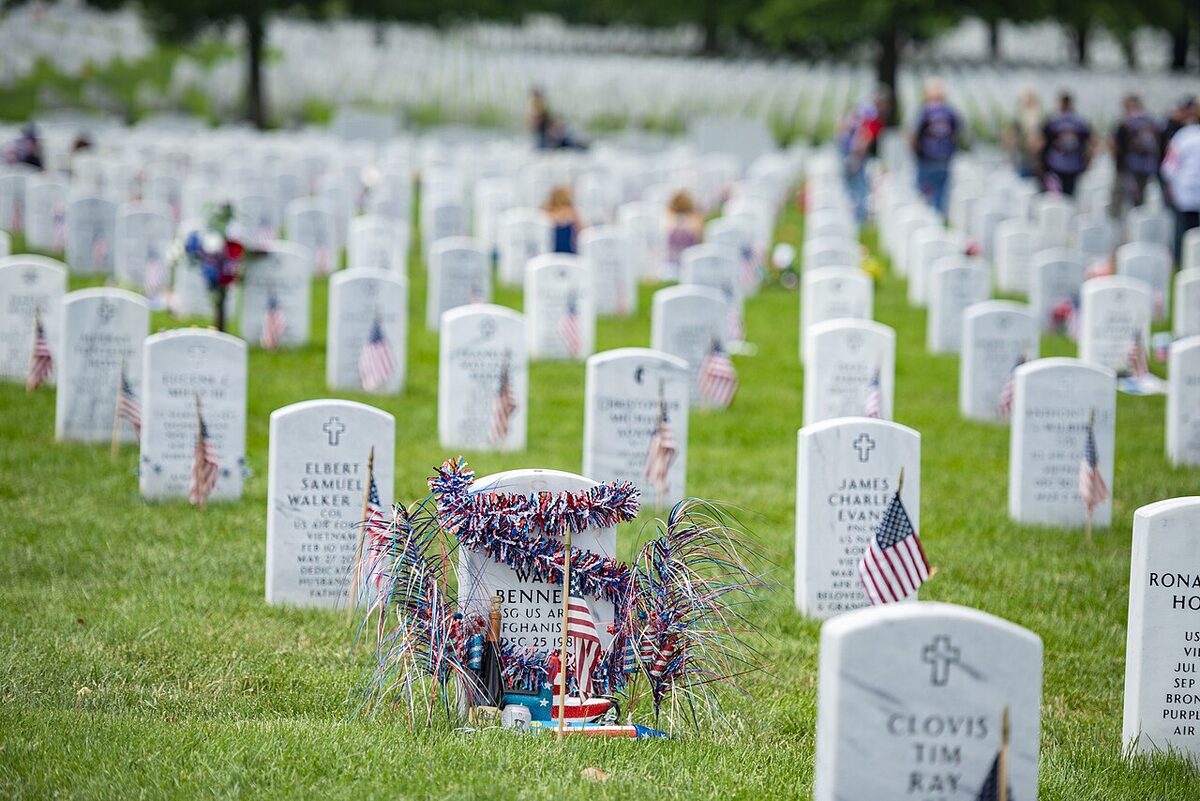
Ronnie was laid to rest at Snowdown Church of Christ Cemetery in Mississippi. His grave site has become a place of reflection for those who wish to pay their respects and honor his memory.
Joshua Steen: A Friend’s Fight for Accountability
One of the most significant legacies of Ronnie’s death has been the advocacy of his close friend, Joshua Steen. In the days and weeks following the tragedy, Josh emerged as a powerful voice demanding accountability from social media platforms.
Josh Steen’s advocacy has included:
Directly challenging Facebook for its failure to remove the content promptly, as covered by the BBC
Media appearances discussing the need for faster content moderation and better AI detection of harmful content
Raising awareness about how the viral spread of the content re-traumatized Ronnie’s family and community
Advocating for veterans by sharing Ronnie’s story as an example of why better mental health support is urgently needed
Josh’s tireless work has helped ensure that Ronnie’s death was not in vain — that it led to real conversations about systemic change.
National and International ImpactA candlelight vigil ceremony held to honor and remember fallen military service members and veterans. Image: Office of Public Affairs, Washington DC | Licensed under CC BY 2.0 via Wikimedia Commons
Ronnie’s story brought the veteran suicide epidemic into the national spotlight in a way that statistics alone had failed to do. Major news coverage from outlets including the BBC, Rolling Stone, the Daily Leader, and others highlighted the systemic issues that contribute to veteran suicide — from inadequate VA services to the stigma surrounding mental health in military culture.
The story also prompted critical examination of social media platforms’ content moderation policies:
Facebook (now Meta) faced intense scrutiny over the delay in removing the livestream and the inadequacy of its automated content detection
TikTok was criticized for allowing the video to spread through its algorithm, reaching millions of users including children
Twitter and YouTube also faced questions about their response times and re-upload detection capabilities
These conversations have contributed to ongoing policy changes at major technology companies, though advocates argue that progress remains insufficient.
Inspiring Prevention Efforts
Organizations dedicated to veteran mental health and suicide prevention have used Ronnie’s story — with sensitivity and respect — to illustrate why prevention efforts must be strengthened:
The American Foundation for Suicide Prevention (AFSP) has incorporated veteran-specific programming into its campaigns and continues to push for safe messaging standards in media and online spaces
NAMI (National Alliance on Mental Illness) has expanded its veteran and military family support groups and educational programs
The VA’s Be There initiative encourages everyday Americans to learn the warning signs of suicide and take action — because suicide prevention is everyone’s responsibility
Local Mississippi organizations have increased their focus on veteran outreach, recognizing that existing support systems had failed one of their own
The Harmful Side: Memes, Games, and Exploitation
Unfortunately, not all responses to Ronnie’s death have been respectful. Internet culture has produced memes, game mods (including Friday Night Funkin’ mods and Roblox recreations), ringtones, and other content that trivializes and exploits his tragedy. This content:
Causes ongoing pain to Ronnie’s family and loved ones
Desensitizes people — especially young people — to the reality of suicide
Violates safe messaging guidelines that exist to prevent suicide contagion
Represents a failure of empathy that we all have a responsibility to push back against
If you encounter such content, please report it to the platform. Choosing not to engage with or share exploitative content is an act of respect for Ronnie and his family.
How You Can Honor Ronnie McNutt’s Memory
The most meaningful way to honor Ronnie’s legacy is through action:
Educate Yourself
Learn about veteran mental health, PTSD, and the unique challenges facing those who have served
Understand the warning signs of suicide and what to do if you recognize them
Read about safe messaging guidelines so you can discuss suicide responsibly
Check in on veterans you know — a phone call, a visit, or a simple message can make more difference than you realize
Advocate for policy change — contact your representatives to support funding for veteran mental health services
Share responsibly — when discussing suicide, follow safe messaging guidelines to avoid causing harm
Report harmful content — if you see memes, games, or other content that exploits Ronnie’s death, report it to the platform
Talk openly about mental health — help break the stigma that prevents people from seeking help
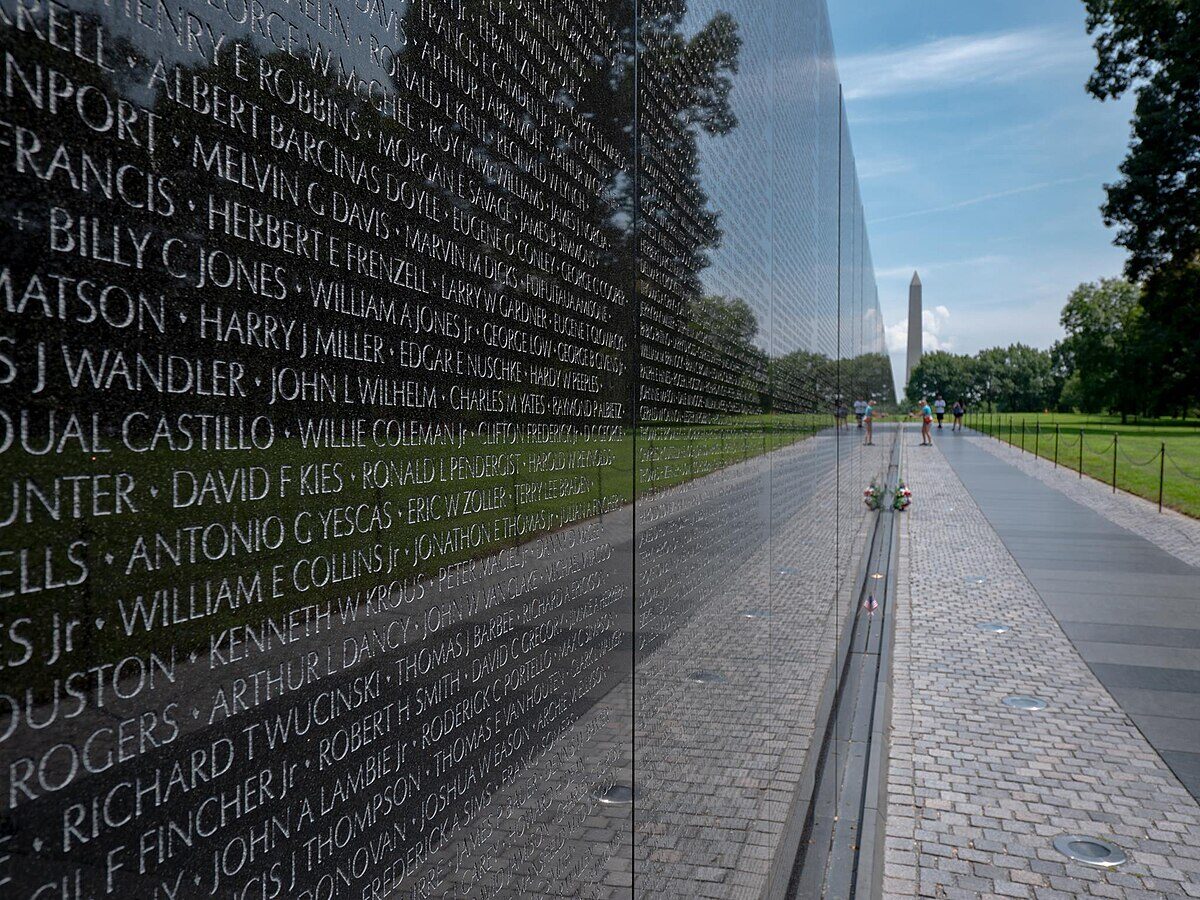
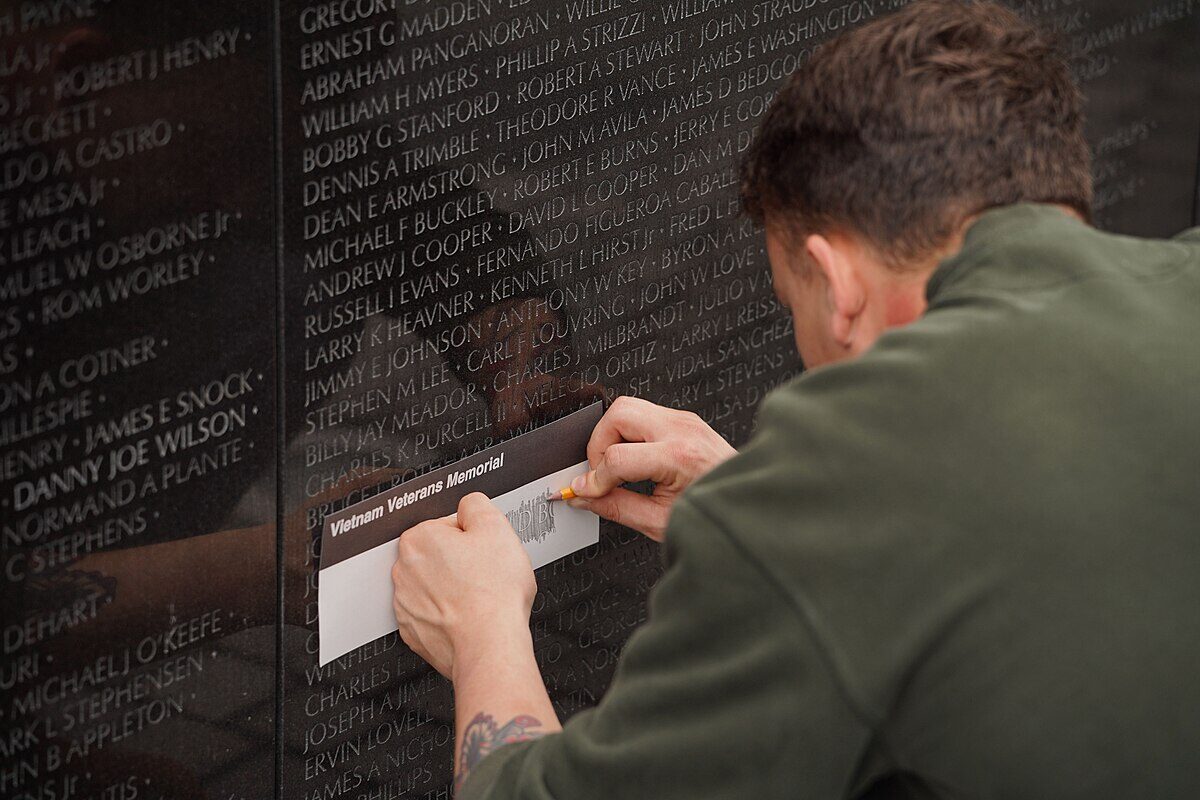
A formal ceremony honoring Vietnam War veterans at the Vietnam Veterans Memorial in Washington, D.C. Image: 3d U.S. Infantry Regiment (The Old Guard) | Public domain via Wikimedia Commons
Video: How We Talk About Suicide Matters
The American Foundation for Suicide Prevention (AFSP) provides essential guidance on how safe communication about suicide can save lives. Their message is clear: the way we discuss suicide directly impacts prevention efforts.
The Johnson & Johnson #BeThere campaign highlights critical statistics about veteran suicide that put Ronnie’s story in context:
17 veterans die by suicide every day (updated VA data)
Veterans are 1.5x more likely to die by suicide compared to non-veteran adults
More than 6,000 veteran suicides occur each year in the United States
Only 50% of veterans who need mental health treatment actually receive it
Firearms are used in more than 60% of veteran suicides
The suicide rate among young veterans (18-34) is increasing at an alarming rate
Social connection is the strongest protective factor — simply reaching out can save a life
View the full #BeThere infographic from Johnson & Johnson
The Broader Community Impact
As documented by Explore St. Aug’s analysis, the impact of Ronnie’s death extended far beyond his immediate circle. The article describes how “individual tragedies reflect broader societal challenges” and documents the cascading effects on workplaces, peer groups, and local networks.
As one former coworker of Ronnie’s described: “It wasn’t just about one person — it affected how people interacted. There was a quiet withdrawal, as if people were afraid to fill the space he left.” This observation underscores how suicide affects entire communities, not just individuals.
Ronnie’s Story Is Not Over
Ronnie McNutt’s physical life ended on August 31, 2020, but the impact of his story continues to grow. Every conversation about veteran mental health that his story sparks, every person who learns the warning signs of suicide, every veteran who reaches out for help because someone cared enough to ask — these are Ronnie’s legacy.
He deserved better. We can do better. And in his memory, we must.
This content is for awareness and education. If you or someone you know is in crisis, please call or text 988 for the Suicide & Crisis Lifeline.