Image: Harland Quarrington, UK Ministry of Defence | OGL v1.0 via Wikimedia Commons
Memorial
Joshua Steen and the #ReformForRonnie Campaign: A Friend’s Fight for Change
Daniel CarterAuthor
March 2, 2026 7 min read
In the days following Ronnie McNutt’s death on August 31, 2020, one voice rose above the grief and confusion to demand accountability: Joshua Steen, Ronnie’s close friend, podcast co-host, and the man who watched helplessly as his friend died on a Facebook livestream that the platform refused to take down.
Josh Steen’s advocacy in the aftermath of Ronnie’s death has become one of the most significant legacies of this tragedy — a powerful example of channeling grief into action and demanding that systems change so no family has to experience what Ronnie’s loved ones endured.
Who Is Joshua Steen?
Joshua Steen met Ronnie McNutt during a community theater production of Footloose in Mississippi. The two developed a close friendship built on shared interests in theology, geek culture, and pop culture. They co-hosted a podcast together and stayed in regular contact.
In an interview with Rolling Stone, Steen described Ronnie as a man who loved to talk and connect: “He often used a livestreaming platform as his form of therapy. He would get on whatever service it was and just ramble. He liked to talk; he liked to argue with people about theology, geek and pop culture news. He just liked the back and forth.”
This description reveals an important truth about Ronnie: he was a social person who sought human connection, even in his darkest moments. The livestream on August 31 was not unusual in itself — what was different was the depth of his desperation that night.
The Night That Changed Everything
On the evening of August 31, 2020, Steen noticed Ronnie’s Facebook Live stream and immediately recognized something was wrong. As he told Rolling Stone, it “took only a few seconds for Steen to realize that this time was different. McNutt appeared to be heavily inebriated and despondent.”
Steen took immediate action:
He and other friends contacted the police for a welfare check
At 10:00 PM, he formally reported the livestream to Facebook for showing someone injuring themselves
He continued watching, hoping for intervention
But Facebook’s response didn’t come until 11:51 PM — an hour and a half after Ronnie had already died, and nearly two hours after Steen’s report. Facebook’s response: the video did not violate community guidelines.
Fighting for Accountability
In the weeks that followed, Steen became the public face of demands for accountability from social media platforms. His advocacy, as documented by the BBC, included:
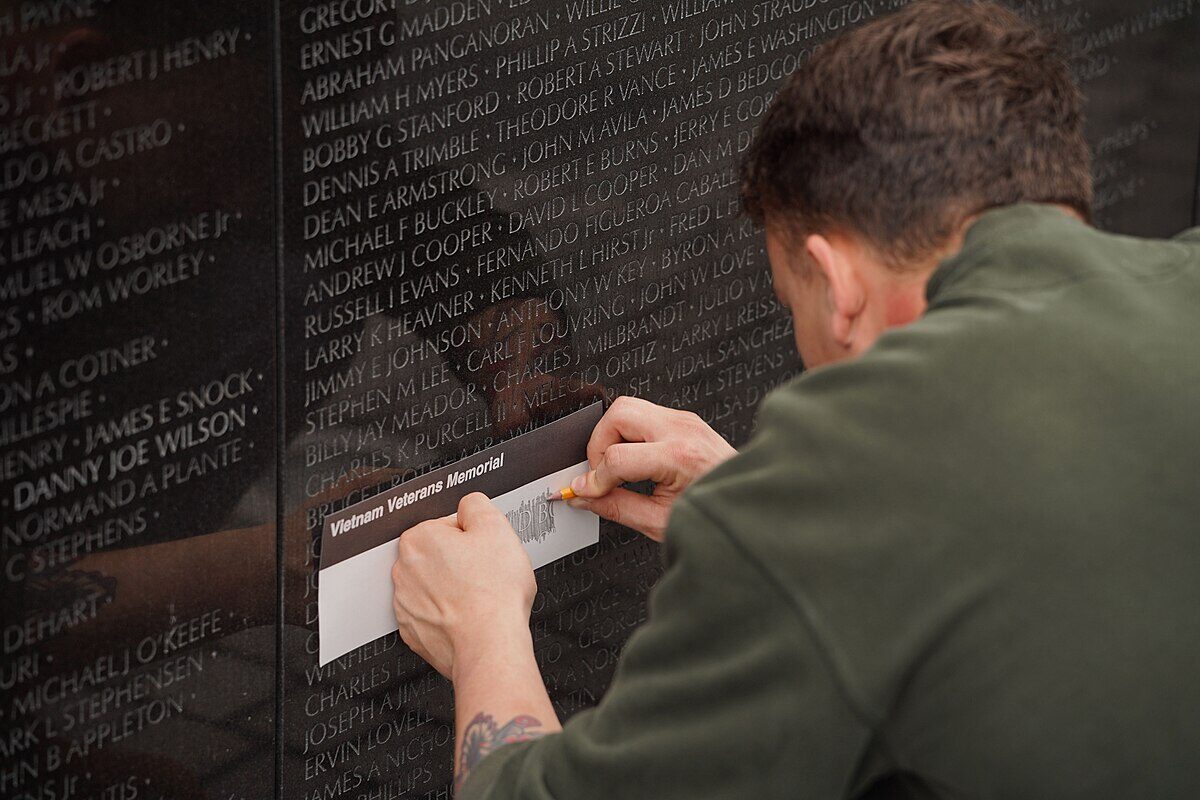
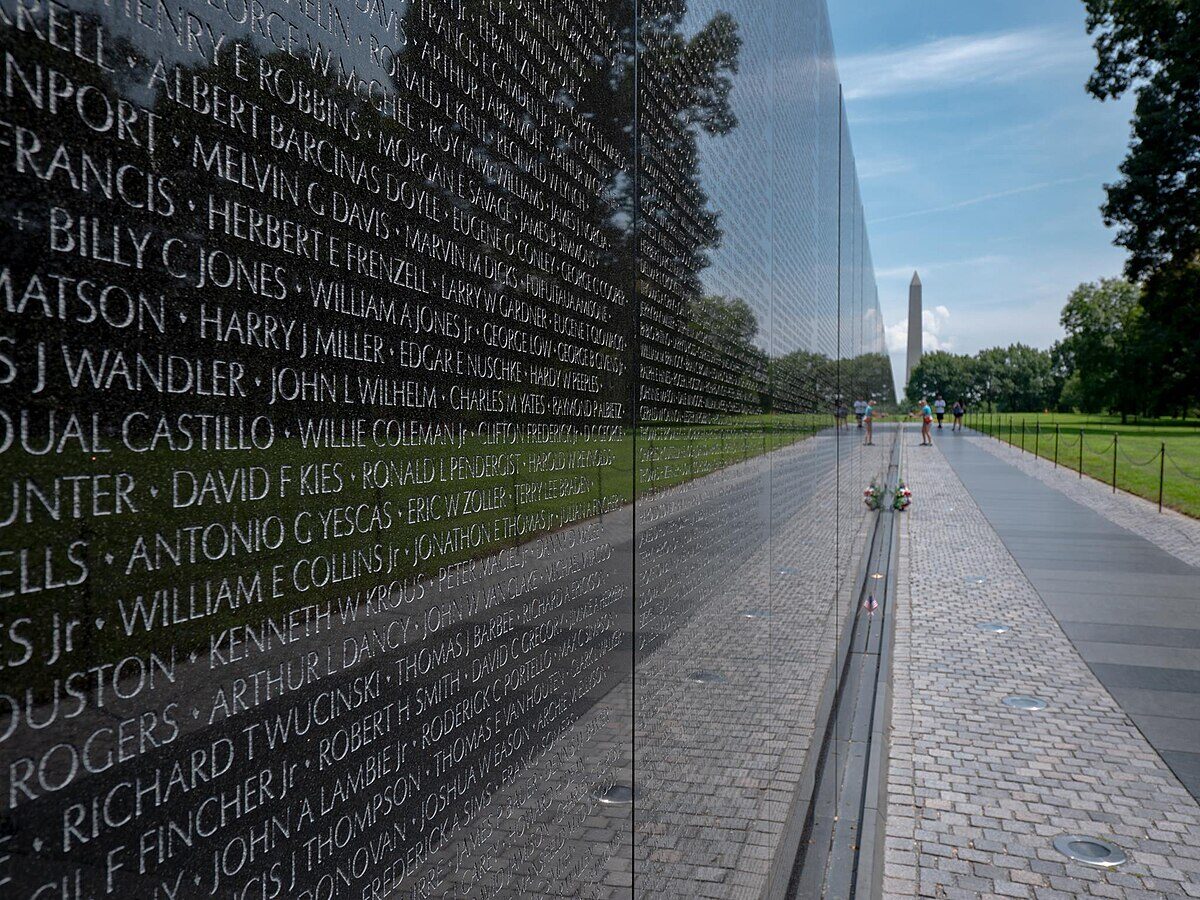
Challenging Facebook DirectlyA ceremony at the Veterans Memorial honoring service members, reflecting the memorial advocacy that drives the Reform for Ronnie movement. Image: 3d U.S. Infantry Regiment (The Old Guard) | Public domain via Wikimedia Commons
Steen publicly detailed the timeline of Facebook’s failures:
Facebook could have ended the livestream when Ronnie misfired a gun before 10:00 PM — a clear policy violation
The 10:00 PM report went unanswered for nearly two hours
Facebook’s initial response claimed no violation — despite the content clearly violating policies against self-harm
The video remained accessible long enough to be downloaded and re-uploaded across the internet
As Steen told Rolling Stone: “Had their response been adequate and they just ended his livestream, I honestly don’t think he would’ve killed himself. It would’ve diverted his attention and would’ve been a crucial factor in changing the situation as it was.”
Exposing the Viral Spread
Steen documented how the video was deliberately spread by bots and bad actors:
He observed bot accounts systematically reposting the content: “I watched it in real time. We’d report an account and then it created another account. We saw the exact same accounts post the exact same message over and over”
The first person to clip and upload the video “created a back story about Ronnie — none of it was true. But it helped fuel the fire to help it spread”
His wife encountered the video hidden in content that opened with puppies
He tracked the global spread, noting: “When a person in Australia says their nine-year-old child had seen this on TikTok, it’s crushing”
Dealing with Exploitation
Steen also dealt with the exploitation of Ronnie’s death by strangers:
Unauthorized crowdfunding pages were set up in Ronnie’s name without family permission
Comments on Ronnie’s Facebook page became increasingly harassing, but Facebook told Steen nothing could be done because he wasn’t the account holder
False narratives about Ronnie’s life circulated alongside the video, adding insult to injury
The #ReformForRonnie Campaign
Steen and Ronnie’s loved ones created the #ReformForRonnie hashtag campaign to demand systemic change from social media companies. The campaign advocates for:
Immediate Reforms
Real-time intervention: Livestream reports involving potential self-harm must trigger immediate human review — not hours-later automated responses
Weapon detection: AI systems that can detect firearms during livestreams must be deployed and functional, not just announced
Account-holder policies: Friends and family of deceased users must have the ability to manage content and report harassment on their loved one’s page
Systemic Changes
Cross-platform coordination: When graphic content is identified on one platform, all major platforms should be notified to prevent spread
Transparency reporting: Platforms should publicly report response times for self-harm reports during livestreams
Bot detection: Stronger systems to prevent automated accounts from spreading graphic and harmful content
Independent oversight: External review of platform content moderation decisions in cases involving death
A World Suicide Prevention Day display, supporting the prevention-focused goals of the #ReformForRonnie campaign. Image: Gourami Watcher via Wikimedia Commons | Licensed under CC BY-SA 4.0 via Wikimedia Commons
Prevention-Focused Measures
Crisis resource integration: When users report self-harm in livestreams, the system should also contact emergency services
Content interception: Technology to detect and intercept graphic re-uploads across platforms
Victim family support: Dedicated teams to assist families dealing with the aftermath of a loved one’s death involving social media
Impact of the Advocacy
While Steen would be the first to say that progress has been insufficient, the #ReformForRonnie campaign and the broader public outcry following Ronnie’s death have contributed to measurable changes:
TikTok enhanced its content moderation systems for detecting re-uploads of flagged graphic content
Facebook (Meta) stated it was “reviewing how we could have taken down the live-stream faster” and invested in improved AI detection
Congressional attention: The incident contributed to broader legislative discussions about platform accountability and Section 230 reform
Media standards: The incident prompted renewed discussion about safe reporting guidelines for suicide in the digital age
Public awareness: Millions of people became aware of both the veteran suicide crisis and the inadequacy of platform content moderation
Josh Steen’s Ongoing Mission
Years after Ronnie’s death, Josh Steen continues to advocate for change. His mission encompasses both social media reform and veteran mental health awareness. Through media appearances, social media, and direct engagement with technology companies and policymakers, he keeps Ronnie’s story alive — not as a spectacle, but as a call to action.
His work embodies the most powerful form of memorial: ensuring that a loved one’s death leads to changes that save others’ lives.
How You Can Support #ReformForRonnie
Report harmful content when you encounter it — your reports matter
Advocate for platform accountability by contacting your representatives
Share responsibly: Never share graphic content, even to raise awareness
Support veteran mental health organizations that provide direct services
Check in on veterans you know — connection is prevention
Resources
BBC: Friend Challenges Facebook Over Ronnie McNutt Suicide Video
Rolling Stone: Why Did Facebook Keep a Man’s Livestreamed Suicide Up for Hours?
Daniel Carter is a veteran affairs correspondent and mental health advocate based in Memphis, Tennessee. A former Army medic, he now dedicates his work to raising awareness about PTSD, veteran suicide prevention, and the impact of social media on mental health. His reporting has been featured in regional and national publications covering military and veteran issues.